I had taken a new foster bird to my Vet & found he was deficient in a lot of things, & this started a conversation with my Vet that I mulled over for a while. She talked about additives in the bagged bird foods you buy for your birds & the ingredients in them. She requests you bring what you feed them to their first appointment, or if you change foods. It took me a few months at least, but what she said wouldn’t leave my mind, so I started looking at the ingredients & researching them. I was totally shocked by what I was finding on the ingredient list of all the foods.

I was fostering birds at the time so I looked up foods for all different types of birds from small birds to large parrots. I looked up close to 100 different manufactured bird foods, anything I could find. I researched the ingredients & wrote them down on index cards, I looked at seed mixes & pelleted diets. There are few regulations on pet foods in general & the standards are quite low, as pets are considered property in the eyes of the law (at least in the US). Many Veterinarians really don’t know a lot about nutrition for pets(unless they take classes or research after college) & they recommend what they were taught about in Veterinary College & those classes were often taught or had guest speakers from manufactured food companies. I had a Vet admit he got kick backs for selling the food at his clinic, that doesn’t mean it’s not good food but you need to check out what’s in it.
Birds are susceptible to molds so foods such as peanuts, corn & grains should be avoided. Birds should not be fed these following items or used with caution, sadly I found these in many of the foods I researched: Artificial color, artificial flavors, avoid salt, sugar (toxic, but Cane Sugar is ok), Vegetable oil, dairy, vegetable plant leaves, cherry pits, peach pits, apple seeds,whey (bi-product of milk), apricot pit, corn syrup, red dye(toxic), corn, wheat, soybean, dried fruit (that contains Sulfur Dioxide), chemical preservatives, honey, synthetic Vitamins, fortified seed mixes, corn gluten, grit (only needed for Finches & canaries).
Filler foods are fillers, take up space & weight but not really good for them: Corn, peanuts, soy, wheat, & they should be limited. In my opinion corn should be avoided unless fresh & limited to 3 kernels per week. Things that are processed, cooked or alien to the species natural diet should be limited or completely avoided such as pasta, bread & cereal.
Salt: If blood-work shows the bird is low in sodium then a little salt is ok, if sodium is normal or high then salt can harm the kidneys.
Sugar: Why this is in the food or treats in beyond me, it can lead to health issues just like in humans. They also can’t not digest it well. The only sweets they should get is naturally through a little bit of fresh fruit in their diet.

Vegetable oil such corn oil lowers immune function & studies showed it caused cancer in lab animals.
Corn Syrup: High in processed sweeteners
Corn: not easily digested (not by many humans either), Some research showed corn to be infected with bacteria that causes leaky gut.
Many Wheat fields are sprayed with the chemical Round up, which is linked to cancer.
Soybeans: Next to impossible to find that they are not genetically engineered.
Highly processed grains are stripped of enzymes & natural nutrients then enriched with supplements, sugar in cereal & trans-fats in bread.
Garlic is still under debate, so best to avoid to be on the safe side.
Synthetic Vitamins: are not absorbed as well as vitamins in real food & do not perform as well as the real thing.
Fortified Diets: Contain inferior seeds & then additives are added
Corn Gluten: is a bi-product or corn processing.
You might be thinking my bird is old or my last bird ate this stuff & lived a long time. I would say there are few George Burns in this world (lived to be 100) who lived the way he did: terrible diet, smoked, & drank alcohol, most people won’t live till 80 living that way. He just had good genes in his family. I want to do all I can for the pets I care for & give them every advantage & avoid toxins that are linked to diseases such as cancer. They rely on us, pets can’t make their own food choices, we do it for them, so lets make good informed choices for them.
I wrote an 11 page in-depth detailed document on what is in manufactured bird food, but that is too long for this blog, but I will email it to anyone who wants it & emails me requesting it. In this post I didn’t even write about all the chemical additives I found in the manufactured foods & their side effects. I was so sad to think I fed these foods for years & thought what was I going to do now that I know this information. I only found one food on the market that I would rate an A- & it was Dr Harvey’s bird food. The parrot food still contained corn which I wasn’t ok with. I haven’t looked into it in about 3 years so I can’t currently recommend it, as I haven’t researched any changes they may have made. Pets are considered property so the ingredients used in their food may not be rated high enough for human consumption, so being educated is very important.
I went the route of making my own seed mix, buying individual seeds at my local feed store where I can buy it by the pound. I have 3 different recipes I currently use for the 3 different types of birds I have. The guys at my local feed store are very nice, I hand them a list & they measure & mix it for me. I buy approx 4 lbs of each seed for my parrots, but only 2 lbs of sunflower as it is a fattier seed. I buy raw nuts in the shell at my grocery stores by the pound(stock up in the fall & winter months as hard to find in spring & summer). I store them in sealed containers or bags till I need them. I crack them & break to the size needed for the particular species I am feeding. I have two Amazon parrots, 3 Cockatiels & a Canary.
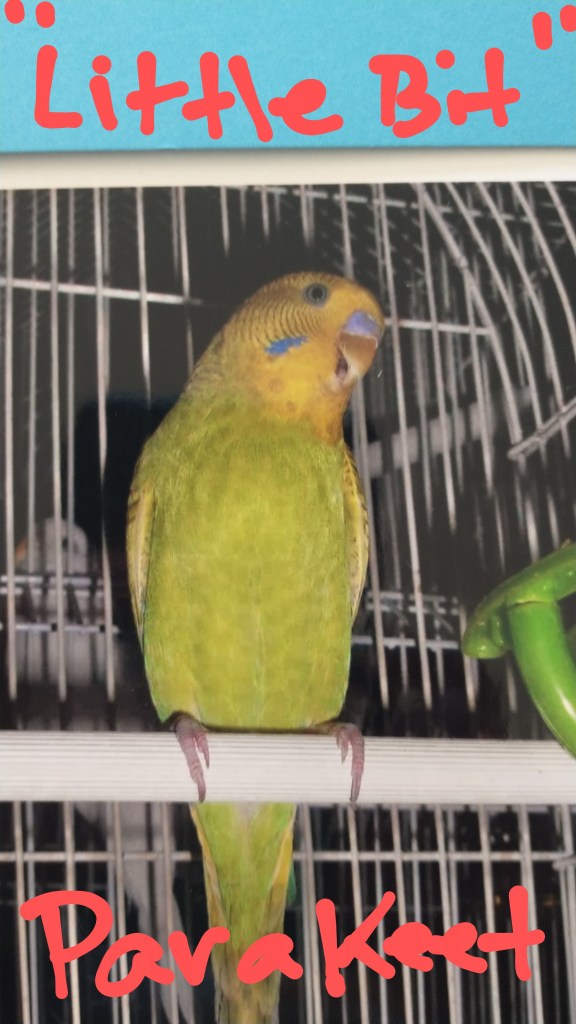
I started making my seed mix when I was still fostering birds. I had two female Parakeets who were so flighty & mean (would bite any chance they had) & they were not getting adopted. I had them at least 18 months & no luck taming them. I changed them to my new homemade seed mix & within 3 months I noticed they were calmer & I was able to hand tame them & they were adopted. Now you might ask why, well I found in my research that some of the chemicals added to bird food can cause aggression, irritability, pain which can lead to the above actions. A lady I had adopted told me she changed the diet for the birds she had already & she told me within a few months he was acting like such a new bird. These chemicals can also lead to gut issues which can show in feather plucking, poor feather quality & overweight issues in birds. The saying ‘we are what we eat’, has been proven to me in my birds. I have recipes saved in my documents for Cockatiels, Parrots, & Parakeet size birds if you email me & request I will send them to you. I always recommend whatever seed mix you use, freeze the seed for 2-3 days to kill any possible seed moth that might be in the seed.
If you feed a pelleted diet, please note many contain corn in the first ingredients & contain added sugar, I couldn’t find a single brand I would give better than a D rating. I fed pellets at one point, but that was before knowing Pellets are made from ground seed & variety of other ingredients. Why not led your birds enjoy cracking & opening up seeds. It gives them a tack & yes it is messier, but it is what they would do in nature.
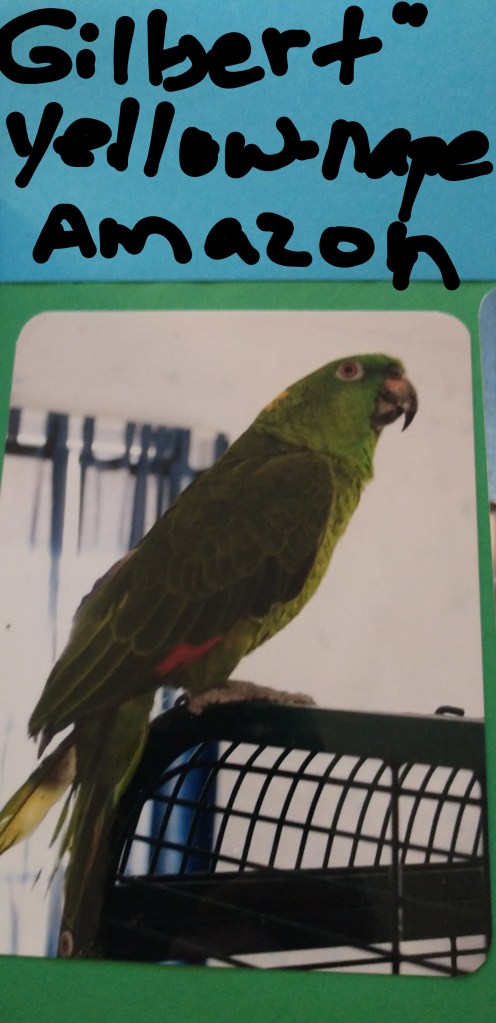
All the birds in this post were birds I fostered in the past. I hope you found this helpful & hopefully not too long. If you know bird/pet owners/caregivers please share this blog with them. Please like, comment, & subscribe (won’t get spam, just notices of my new posts), all these help my blog to be seen by more people which can help more pets thrive & not just survive. If you have questions, or want a full copy of my research or recipes email me & let me know what documents I can send to you. My email is echoingreatpetcare@gmail.com
 Echoing Great Pet Care