Guinea Pigs (Cavies) do not do well in heat, they do pets in cooler temperatures of 60-70 degrees Fahrenheit, so housing a Cavy in a basement that is not damp (dehumidifier or AC vents) can be a good place. If you take your Cavies outside, it is best to do when temperatures are 55-68 degrees, but still giving them access to shade & monitored the whole time they are outside. A covered outside pen is safer such as one like these: https://amzn.to/4fiVXtT https://amzn.to/3GWz96G https://amzn.to/4ld6gkp These are fully enclosed with screens & have floors so less chance of any insects getting to your Cavies (flies, fleas, ticks etc…) . They are collapsible so easy to transport & set up & put away. Cavies can succumb to heat quickly, so be sure they have water(or a bowl of wet greens) & shade at all times. There are lots of potential predators including, but not limited to: cats, dogs, snakes, hawks, eagles, & crows. Putting an igloo in an outdoor pet will allow your Cavy to hide if they feel threatened or scared.

Cavies are messy so in my opinion not a pet for neat freaks, well most caged animals are messy & may not be good for neat freaks (can stress them). The area around Cavies can be kept clean if you form the habit of daily cleaning up after your Cavies. There are things you can do to help the area stay cleaner such as using pad bedding https://amzn.to/3IVNIrI verses shredded bedding helps a lot, placing plexi-glass or similar material on the side of the cage where the hay & food are fed.
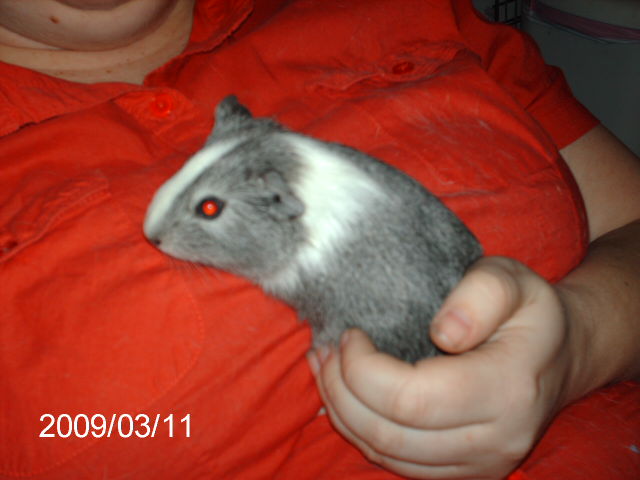
Cavies are considered prey animals so they have a flight mentality & are not always easy to catch, but fine once held. They don’t usually bite unless scared or hurt. They ALWAYS should be picked up with two hands. One under their bottom & one under (behind) front legs. They are bottom heavy & can injure/break their spine if not handled (picked up) correctly. Hold them securely but not too tight (or can suffocate). I found they are very comfortable sitting on your lap or chest, just monitor them so they don’t fall or jump off.
I have never heard of a Cavy that is litter box trained so I say don’t expect it. If you have one that is then that is great. I would say if your Cavy uses just one area of their cages you can try training it, but don’t be disappointed if it doesn’t work, be happy they don’t soil the whole cage. Most won’t soil as much where they eat & drink.
A Cavy should be brushed weekly for a typical hair length & twice a week for the long-haired varieties, using a very soft brush like this: https://amzn.to/4fsxr9W or this set that includes clippers for doing their nails as well. https://amzn.to/3Uawaud Like rabbits guinea pigs nails are easiest to trim while they lay on their backs in-between your legs. Best to work with a helper or have your Vet do them till you are totally comfortable, you don’t want to hurt or scare your Cavy making it harder to do in the future. Always have a Qik Stop type product next to you when trimming nails like this: https://amzn.to/4mt4lJS Nails are usually needing trimming approximately every 6 weeks or so.
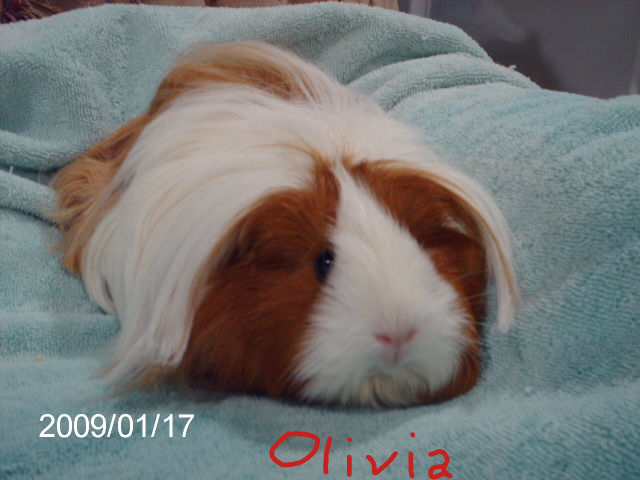
While cleaning the cage it is good to have a small exercise pen to put your Cavy in so you can thoroughly clean & they are safe. They don’t jump so 8″ high usually is good, if you have other pets like dogs or cats, have them out of the room while Cavy is in the pen & you are busy cleaning. https://amzn.to/4ffRdoQ
Children should be supervised when handling & caring for Cavies & their ultimate care should be the responsibility of an adult. Being in rescues we have heard of horror stories of pets left to the care of children. Thank God my mom would always reminded me or take care of the pets we had, pretty sure some fish & hamsters came to their end of lives sooner than should have when it was my responsibility as a child.
Cavies should see an Exotic Vet with experience with Guinea Pigs, recommend yearly exams to be sure all is looking good & any issues can be addressed if needed before it becomes serious. Many small animals (prey animals) hide illness till it is too late, so prevention is an important key.

Other great sources for information on Cavies care are Guinea Pig rescue websites & asking your Exotic Veterinarian. Guinea pigs are available for adoption so consider adopting versus buying. I fostered a pregnant mom so babies & young ones are often available in rescue if that is what you want.
I hope you are learning ways to help care for your beloved pets. If you have a question or a suggestion for a post please email me at echoinggreatpetcare@gmail.com. Help spread the word about my blog to help reach more pet owners by liking posts, sharing on your social media, visiting often, commenting & subscribing to my blog. You will not get spam if you subscribe, just an email notice when I publish a new post. Thank you, Debbie
 Echoing Great Pet Care