Rage Syndrome or Behavioral Seizure as it is called by some. It is a rare & a poorly understood condition characterized by sudden, unpredictable & intense episodes of aggression, that seem to occur without provocation. While the exact cause is unknown it is believed to involve neurological or genetic factors. Even after over 30 years of research there still is no clear cause.

Sadly I know about this first hand, as my dog Sydney(pictured above) suffered from it, but wasn’t known till she attacked me in the face one evening. You can read about my experience in my last post #69 Confession: My dog bit me in the face & I didn’t see it coming. After I told a hunting dog judge I know what happened, he told me about Rage & I researched it & it so described what happened to me. As I looked back it made so much sense, in the moment you aren’t thinking clearly, but later you can reflect. I believe we can learn from situations that may not be good, but if you allow it, God can use it for some good.
Key Characteristics of Rage Syndrome:
1. Sudden Onset-Episodes occur without warning or clear triggers.
2. Unpredictability-The aggression is NOT consistent with typical behavior patterns.
3. Intense Aggression- Attacks are severe & can involve biting, lunging, & other aggression. Violent short lived episodes.
4. Possible dazed state- Dog may appear confused or dazed glazed look in the eyes, during or after an episode.
5.Associated with certain breeds(but not limited to) English Springer Spaniel, English Cocker Spaniel, Belgian Malinois. These breeds have been linked to the condition. It also has been found in Retriever breeds, Doberman Pinschers, German Shepherds, Bernese Mountain dogs, Lhasa Apos & Bull Terriers. This points to a possible genetic disorder or at least a genetic component as part of the cause.

Distinguishing Rage Syndrome from other forms of aggression:
1.Fear or conflict – related aggression: These are common & typically triggered by a specific threat or conflict.
2.Pain based aggression- dog may bite or snap when in pain or when anticipating pain (example:when someone believes in physically smacking a dog to discipline it & the dog sees they are about to do it again).
Not all aggression is Rage Syndrome, actually most is not, it is not a common thing. I personally fostered approx 150 dogs & my own dog is the only one I have 1st hand experience with. I have had experience with aggressive dogs due to fear/conflict illness or pain.
The prognosis for Rage Syndrome is guarded & the treatment can be challenging & not certain. It also has been called “Cocker Rage” “Behavior seizure” or Springer Rage” My Vet used the term Behavior seizure after my dog attacked me. She also believes it was most likely caused by a brain tumor. This idiopathic aggression appears most common in dogs 1-3 years old. Sydney was 9, but the previous year she attacked my other dog at the time out of the blue & I was right there when it happened. She attacked quickly & afterwards stood there like she had no idea why I was examining my dog Ace. In my experience it was similar to after my dog Sam would have an epileptic seizure. This syndrome can be managed but not cured. So owners need to decide what is best for their safety the dogs quality of life & the safety of others. Sadly euthanasia may be the only safe route with some dogs.
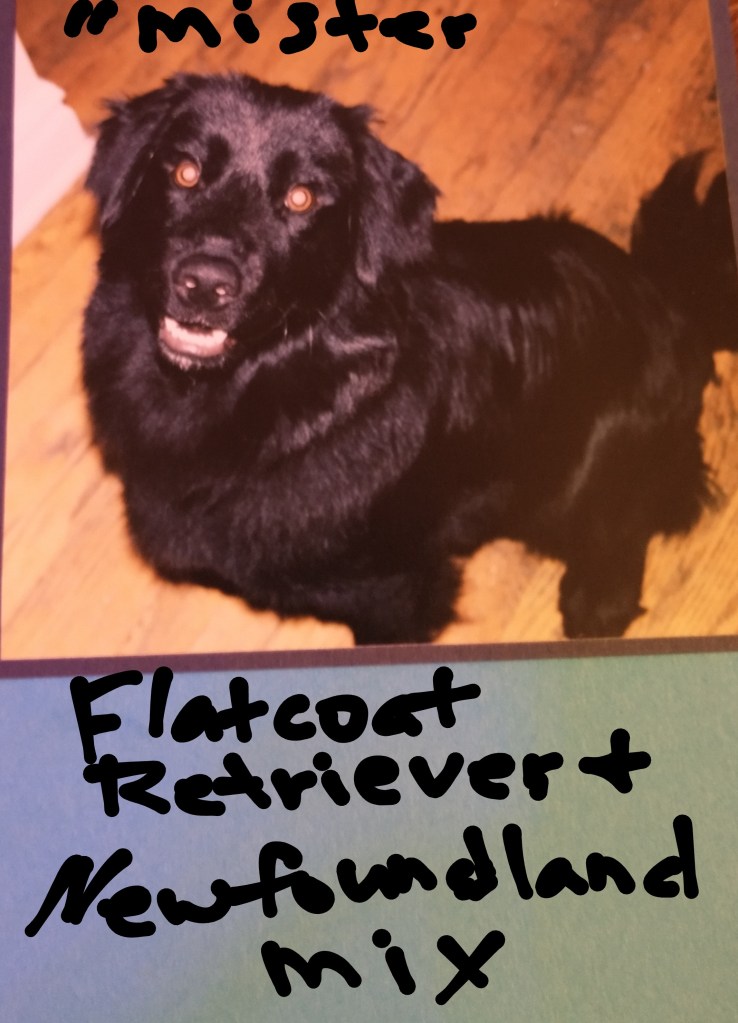
Owners report dog appears “possessed” & even confused during & immediately following an episode of rage aggression.
Many people mistakenly believe their dog has Rage, but when all info is gathered & recalled: symptoms of underlying illness, pain, fear or anxiety or its related to resource guarding behavior are found.
This syndrome must be diagnosed by a licensed Veterinarian. It has been termed a form of epilepsy, particularly limbic epilepsy, behavioral epilepsy. The name given will depend on the professionals discretion. Diagnosis is done with an EEG, but not all dog with Rage had abnormal EEG’s. So a Veterinarian has to put all the data together to come to a diagnosis.
Rage syndrome is frequently confused with idiopathic aggression. In early research it was sometimes referred to as Sudden Onset Idiopathic aggression (SOIA) to distinguish it from idiopathic disease.
Hypo-hypothyroidism can cause patho-physiological aggression & can present similarly to Rage syndrome. An in-depth Thyroid function test should be formed. My dog Sam had this & after being on natural thyroid medicine it regulated & he was good with other dogs again.
Neurological factors & abnormalities in brain function are also considered potential contributions to rage syndrome. My dog Sydney prior to her coming to me was abused by her former owner, I know many people think their dog was abused, but we know she was. He admitted to it to his Vet, including kicking her & more. The Vet’s staff had known Sydney since she was a young pup & they were afraid he wouldn’t surrender her if all the facts of all he did came out to them, so they redirected the conversation. He had brought her in to be euthanized for “going after him”. If it was true she didn’t injure him, as there was not a mark on him & the Vet & team made a point of checking any skin they could see.
Abnormal electrical activity in the temporal lobe of the brain, an area which oversees memory, sensation & emotions, possible factors: Trauma, Brain tumor, stroke or genetic disposition.
I hope you are learning from my blog posts & it is helping you to better care for your beloved pets. This is my 70th post, on the home page you can find my blog’s table of content to see a list of all my other post topics. I write about a variety of pets & their care, & I am open to ideas for posts. You can email me your ideas or comment & share your ideas. If you are enjoying my blog, please visit often, share it on your social media sites, comment, like my posts & subscribe so you will get an email when I publish a new post. All these things help my blog to be seen by more people. My email is echoinggreatpetcare@gmail.com Thanks, Debbie
 Echoing Great Pet Care