I usually get my ideas of what to write about from things I see or hear. I also am a woman of prayer, so the Lord gives me ideas sometimes as well. The idea for this post came from a coworker, she asked me if rabbits were hard to care for. She knew I had fostered quite a few rabbits in the past. She said she wanted one & wondered how much work they are. Her & I talked & they have a cat they adore & is a big part of the whole family. I explained that if she had a rabbit it had to be kept separate from her cat & the cat can never interact with the rabbit. Sadly like many people she had no idea that the enzymes contained in a cats’s saliva are deadly to many small animals. I explained this is what cats play with the critters they catch, because they are allowing their saliva to enter the animals blood system so it has less fight in it & can’t run off. Then the cat will finish it off & eat it if they so desire. I don’t believe cats do this out of sport, it is instinctual to hunt, but most are fed by their family so they really don’t need to hunt for food.
This got me to thinking & I really found it interesting when I did a little research online to see what pets are considered low maintenance. I honestly didn’t agree with some of the lists I saw, some pets may survive on minimal care, but my goal is to see all pets thrive & not just survive.
No Pet is zero maintenance, nothing living is zero maintenance. I read somewhere that someone suggested that the person get a plant first (before a pet)& see how it is doing in 3-6 months to help them decide if they are ready & willing for more responsibility.
All Pets need a proper setup, which is a financial investment, some pets require more space & things than others. I am a firm believer in doing a lot of research before getting any new type of pet. I have fostered a variety of pets & have published posts about a variety of them. If I have experience with a pet you are interested in, you can send me an email & I will try & answer any questions you may have.
Pets have social needs as well as physical needs, some very little interaction with people. Fish are a good example of pets that don’t want or need much human interactions. Betta Fish can do very well in a small tank & Guppies & Tetras are hardy & do well in smaller community tanks.
Hermit crabs are small & need shells, moisture & a harm habitat.
Tarantulas require minimal labor to care for, & some have cool colors if you’re not scared of spiders.
Some reptiles & Amphibians are lower maintenance: Leopard Geckos are friendly, calm, but can live 20+ years so you need to be committed. It is not fair to get a pet & not plan to commit to it for its life.
Bearded Dragons are well tempered
Frogs: don’t take up a lot of space & are not real high maintenance.
Fish, snakes & some reptiles take less maintenance than mammals, but they have needs & before you get a pet you need to a lot of research to be sure you have the time, & resources to be sure the pet will be able to thrive. I have experience with Fish (currently have Goldfish in my backyard pond)& Chameleons as a child (when approx.13-15 yrs old). Many Reptiles & Amphibians need to be fed live food or was alive for some, so you need to be sure you are comfortable with meal worms or frozen or fresh mice or rats as food it that is what your pet eats.
Hamsters & Gerbils are nocturnal & need their cages cleaned daily (or it will smell). They need daily interactions with you in order to stay tame (friendly). An aquarium is not a good place to house these pets, due to their urine smell an aquarium doesn’t give enough ventilation so can be dangerous to their lungs/respiratory system. Their lifespans are typically a few years.
Guinea Pigs were on the list, but honestly I disagree that they are low maintenance, not high, but middle. They need a large cage, which usually should be constructed because few I have ever seen sold at stores are large enough. Amazon now sells ones that are large, but think some assembly of the cage is still required. I have written several posts on Guinea Pig Care on this blog. Guinea pigs need daily interaction to stay tame & less skittish, they are far happier in pairs. Require daily consistent cage cleaning & they need hay available 24/7 (all the time). I fostered a good number of guinea pigs & they are very adorable. They also need fresh greens daily.
No matter the pet you need the biggest enclosure/space possible for many pets. Pets such as Rabbits, Guinea pigs, Hamsters, Gerbils, ferrets,birds etc need the largest cage possible to help prevent boredom, allow them to move around & exercise if they will be caged for a good part of the day. Larger enclosures require more space & more out of pocket expenses.
Exotic Vets for caged pets is usually more expensive than for a dog or cat, so need to have the financial situation for a pet to have an annual exam. Minimally when the pet is sick, but most Vets want to have a relationship with you & not just see your pet for an emergency visit.
Now the mammal that is probably the best for a busy schedule is the most popular animal (via survey) is an adult cat. Cats are independent (well most are) & can use a litter box, so no need to let them outside midday like a dog should be. Sometimes cats that get lonely might do better in a home with 2 or more cats.
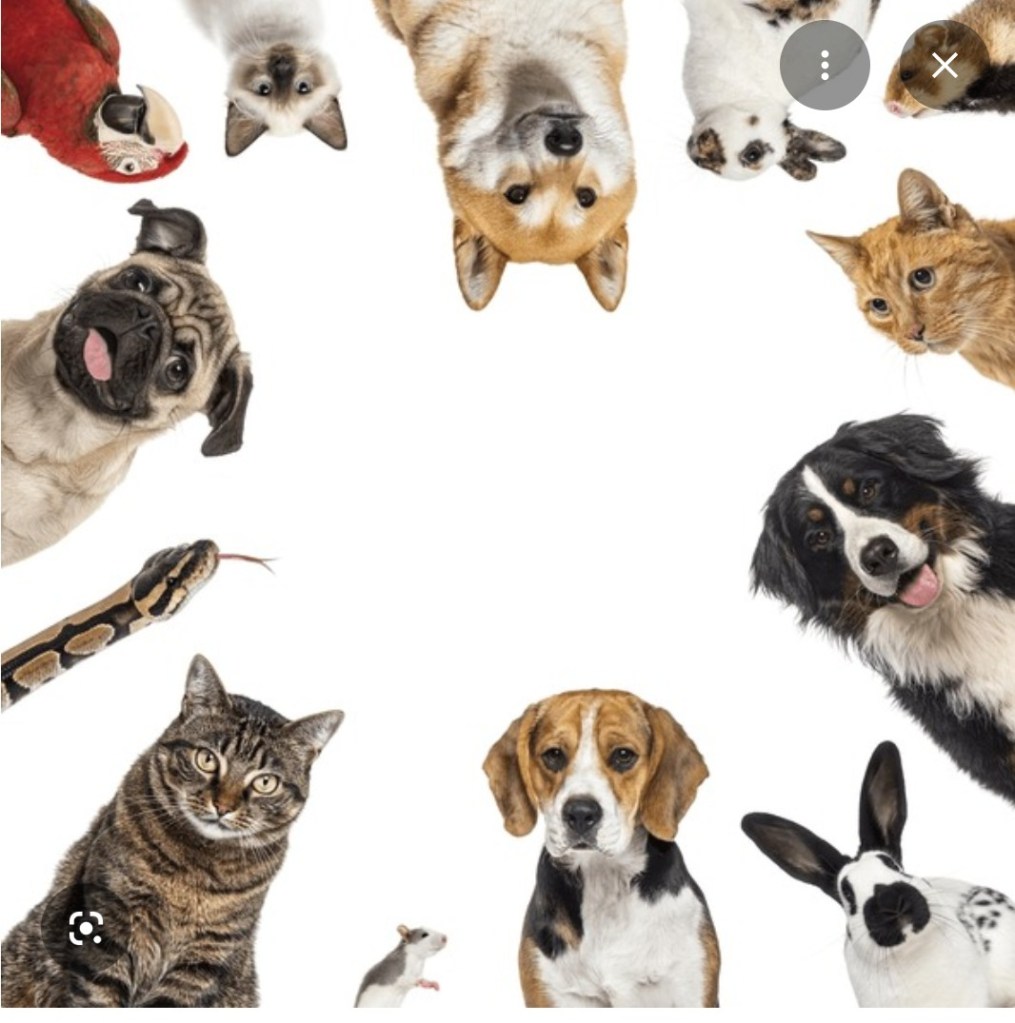
I read that birds are low maintenance & again I don’t agree with this, medium maintenance I would agree with. In order for a bird to stay healthy they should eat fresh food 3 times a week minimally. Birds eat at sunrise & sunset mostly so you need to get up & prep food early or be home in the late afternoon/early eve to prep fresh food & feed & be able to remove it in a few hours so it doesn’t spoil.
There are rescues out there for most pets & many have care information on their websites & some will answer an email if you write & ask questions about the pet you are thinking about getting. I had rabbit, ferret & guinea pig mentors that were in rescues & they taught me a lot, some in person & some via email.
If you are considering a certain type of pet maybe consider fostering one or two so you can get an idea of what their care entails. I learned a lot about all the pets I fostered, I researched & asked a lot of questions to those with far more expertise than I had.
My boss’s son wanted a smaller parrot & my boss was unsure if he understood the full commitment. He had 2 Parakeets for a number of years. I asked my boss if he was interested in having his son watch my Cockatiel Jonah for 2-3 weeks & this would let him see what was needed to care for a larger bird than parakeets. If you have friends or family that have a pet your interested in, offer to pet sit that pet.
I have written about a variety of pets (rabbits, ferrets, birds, dogs, cats, & guinea pigs, so far) & you can find the table of content on my home page in the upper left corner under the show tab(112 posts to date). Once you see which ones you want to read then you can go back to home page & scroll down to the posts you want to read. They are all numbered to make it easier to find. If you have an idea for a type of pet or a topic you want me to write about feel free to reach out to me & ask. I hope you are enjoying my blog & you have found info to help you better care for your beloved pets. Please help me get the word out there about my blog by clicking the “like” button at the bottom of each post, sharing the link on yr social media sites, visiting often, subscribing so you don’t miss a post. If you have a question or post idea feel free to email me at echoinggreatpetcare@gmail.com Thanks, Debbie
 Echoing Great Pet Care