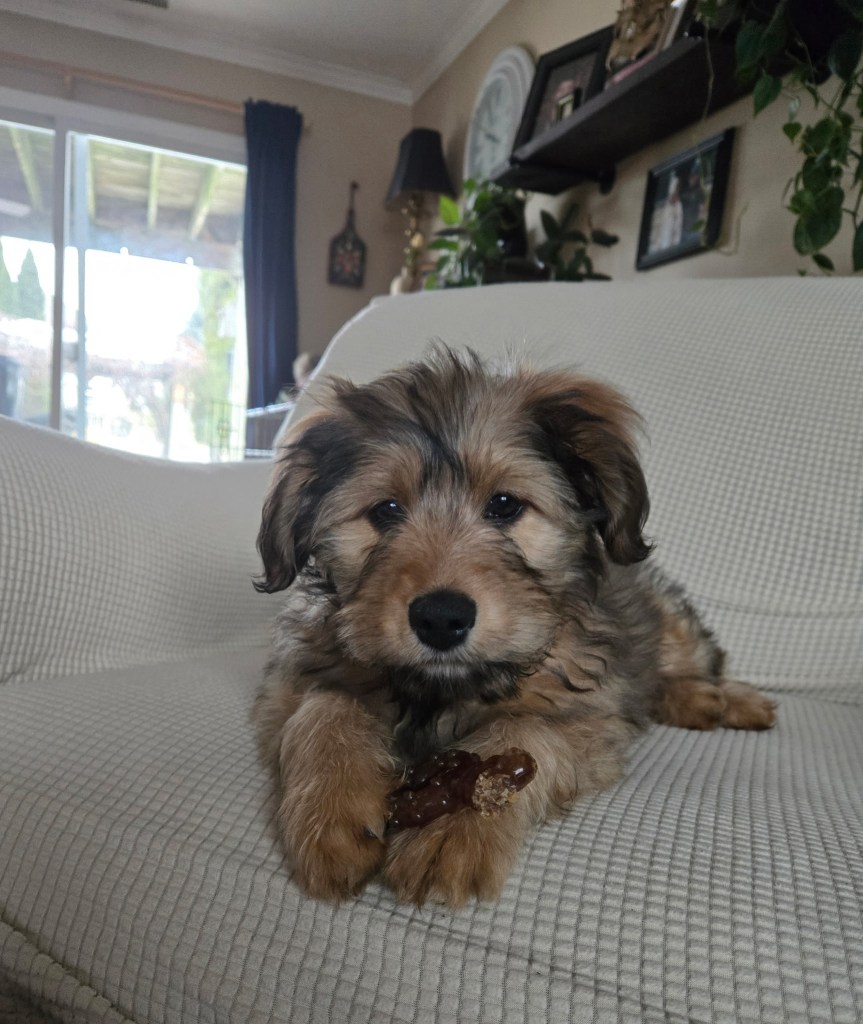
In the past year I have known at least 4 people who have gotten puppies, from 10 weeks to 4-5 months old. They have been my inspiration to write this post. I hope these things will help a lot of people with new pups, but some can apply to any new dog in your house. I have previously written posts about some of these things, so when appropriate I will reference the post numbers for you to go to & read for more detail. If you have questions you can email me, you will find my email address at the end of this post.
These are not in particular order, I hope you find them helpful.
1.Stay consistent, puppies need to feel stable & safe & when you are consistent they feel safer. Keep a routine or schedule for when they eat, when they go outside (often when new & when young), nap time, bedtime ect…
2. Keep it positive, dogs don’t understand words like they understand tones & body language. (recommend you check out posts #45 & 97). There are others, but these are a good place to start on this subject.
3. Accidents will happen, new smells, a new place & it is so big & they are so small. If an accident happens clean it up as soon as possible with a save cleaner & one that is made for pets messes, or Vinegar & water. Some regular cleaning products contain ammonia & this can increase the urine smell to your dog & they will want to go potty there again. When you clean up an accident be sure your puppy doesn’t see you clean it up, they can think that was not the right spot & go someplace not so easy to find. Also if you are upset & grossed out they might misinterpret your disgust & again have accidents behind the sofa or under furniture where not so easy to access to clean up. Recommend #67 blog post
4. Teaching your puppy to be on leash is helpful for now & the future. I recommend a long line that a puppy can drag around. You can purchase a long clothes line & a small hook like on a leash & then cut the clothes line, making a lightweight long line 8-12 feet long & let your puppy drag it around. If you need to redirect your puppy, you can simply pick up the leash & walk down the leash to reach your puppy. Do not pull it or jerk it. Monitor your pup or dog whenever attached to a leash, actually you should monitor pups most of the time to help prevent unwanted behaviors while they are learning.
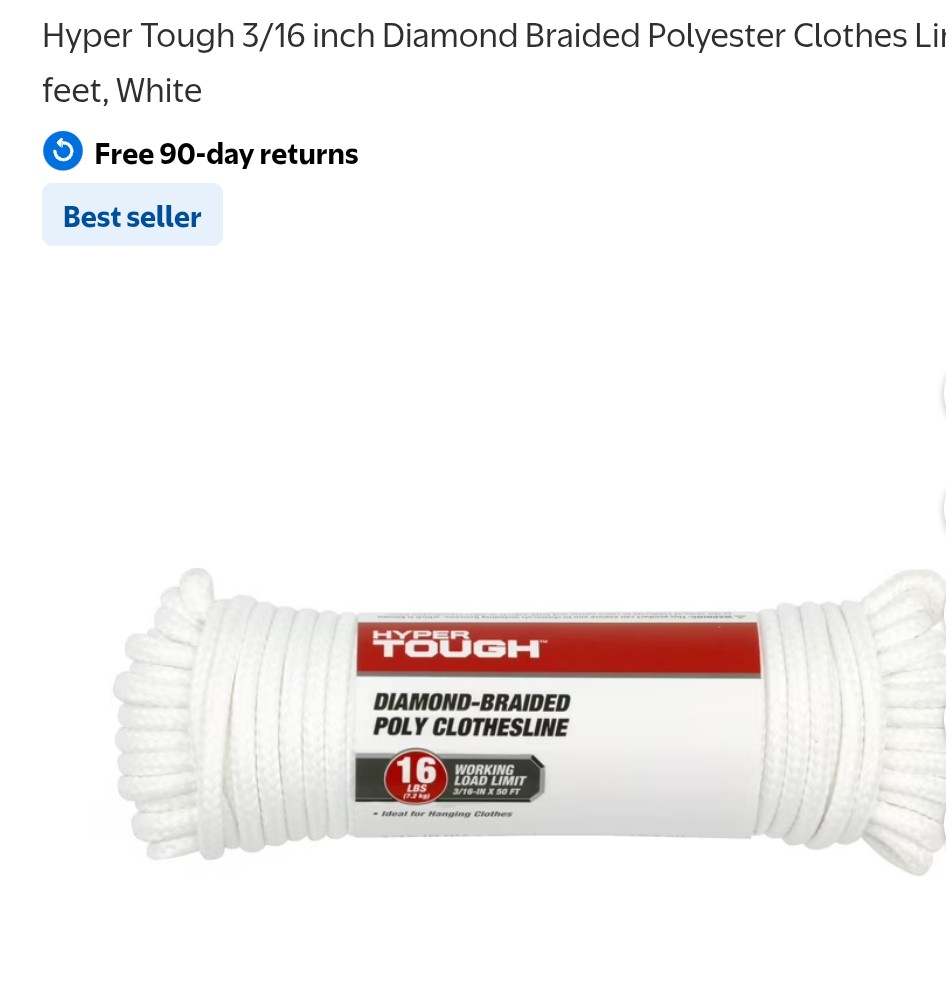
I used one of these when working on the command “come” with dogs. I leave it long when doing that type of training . These lines are cheap so you don’t feel bad if it gets chewed or dirty & you have to toss it & cut another one. It is not made to hold a dog while tried up outside, but as a tool in your training toolbox.
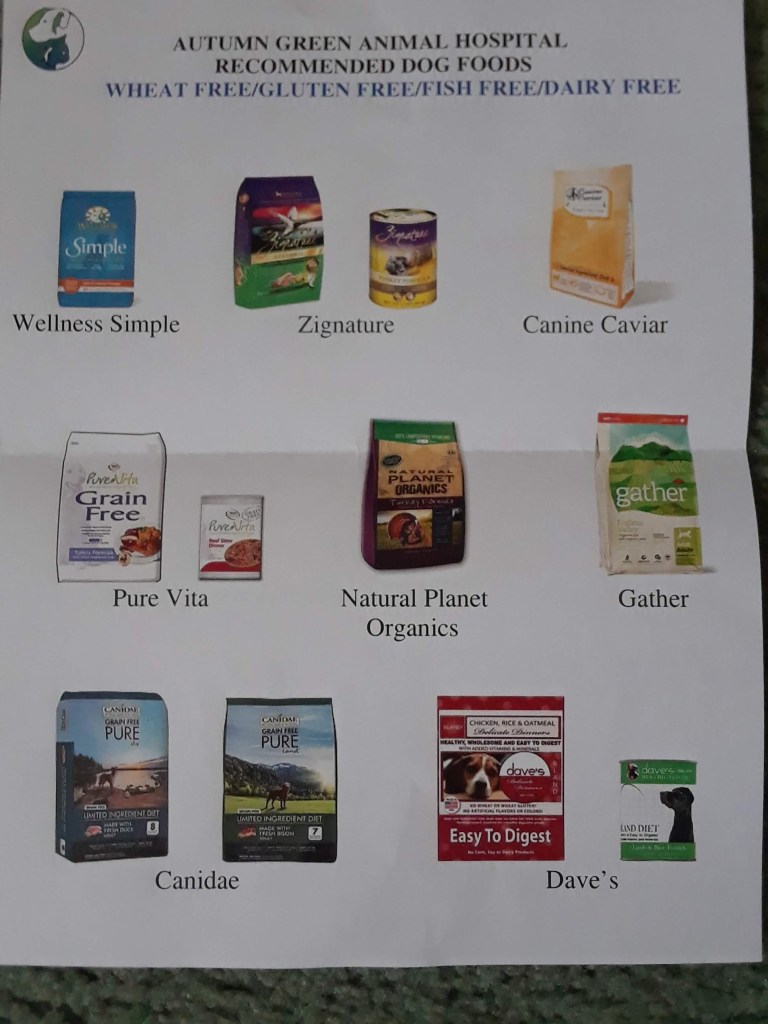
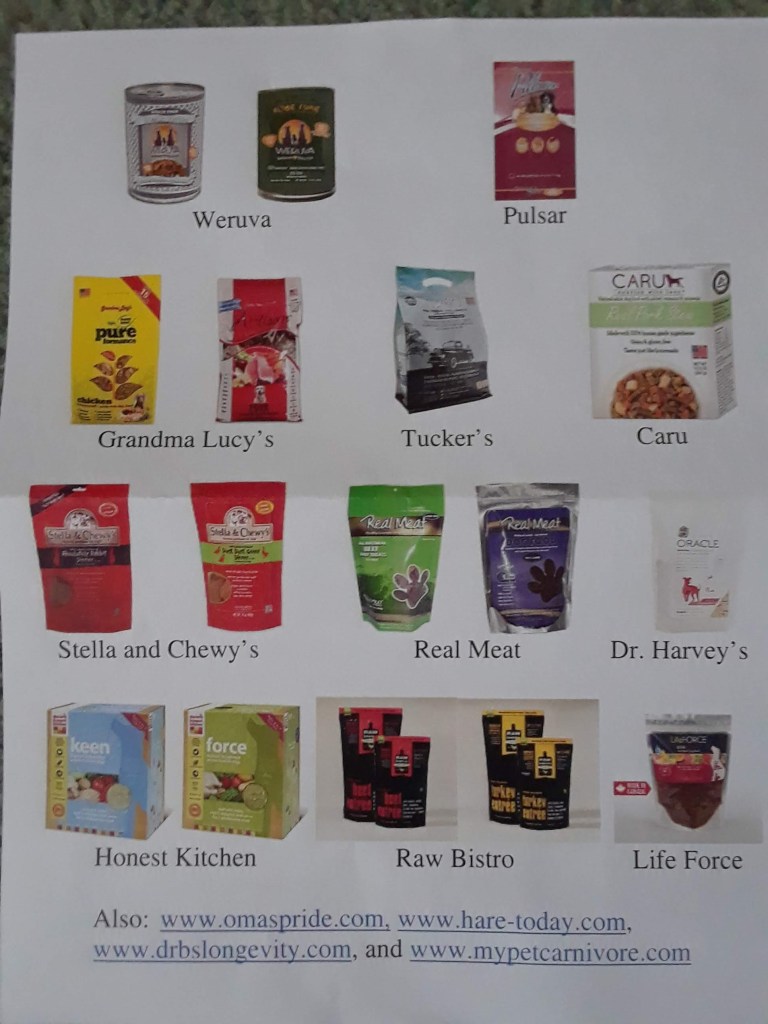
5. Feeding a high value food to your puppy is very important,start them off right & you will have a healthier pup leading to a healthier adult. Less ingredients is usually better, no by-products, no chicken & no fish unless wild caught. (I will be blogging soon about ingredients in foods). I did publish one on storing & it is #74. Below are a list of brands my Holistic/Integrative Vet recommends.
#6. Rewarding your puppy for good behavior is so important. Dogs repeat what they get rewarded for. The treats don’t need to be big & sometimes praise, pets & love are just what your puppy wants. Toys, tug or play may be a great reward for your pup, as you get to know each other & you will observe what he or she likes a lot.
7. When using treats, feed high quality treats with as few ingredients as possible. My favorite is Stewart’s Dehydrated beef liver. You will find blog #47 has more detail on treats.
8. Before 20 weeks: I wrote a post on this explaining how important it is to do as many of these things listed before your puppy is 20 weeks. Studies have shown puppies have a fear age at 8 weeks & just when they reach 20 weeks old. Doing these things before that last fear age can help your pup to become a confident & not a fearful dog, which can be so helpful for the rest of its life & easier for you & your family. This post was # 52 on this blog.
9. Chewing: I wrote a post about inappropriate chewing & help for this issue. This is a good thing to nip in the bud before it starts. Having a long line on a puppy can help you to get the item away from the puppy if it decides to run from you to keep the fun shoe he found. Post #106 will help with this issue.
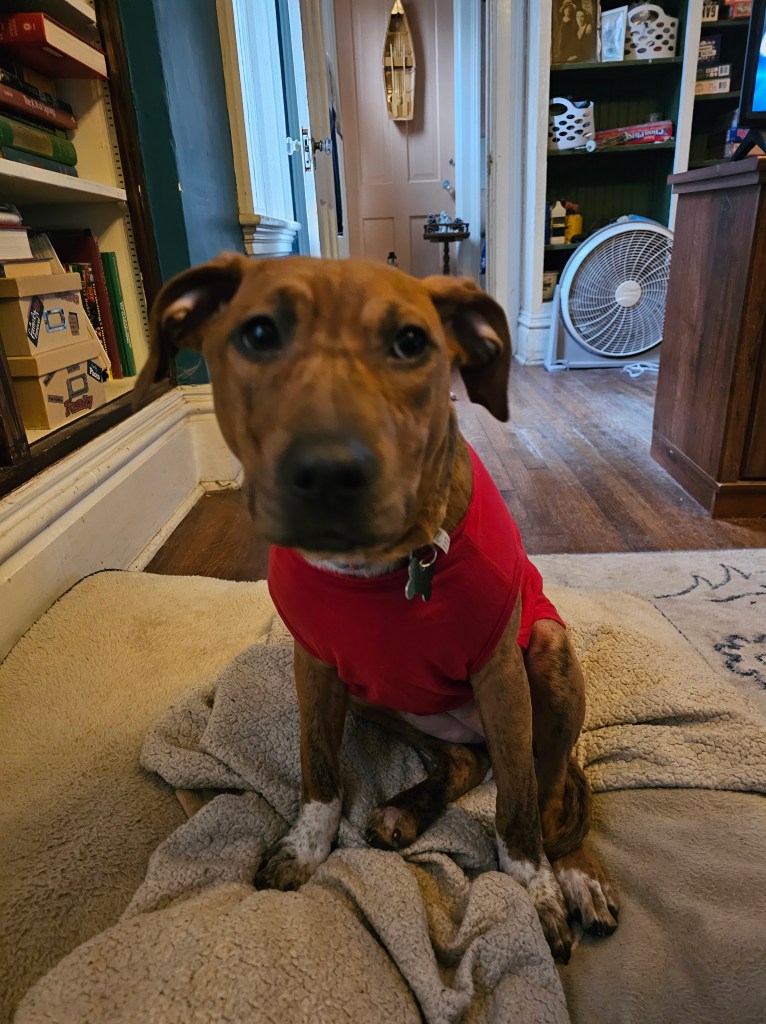
#10. Toys & chew items are so important for puppies & dogs to have available all the time. I recommend you keep one higher up in several rooms so you can trade the puppy for an item they should not be chewing on like your slipper. If you don’t want your dog chewing on your slipper or shoes, don’t give them an old shoe or old sock, glove ect… the puppy won’t understand the difference between which are theirs & which are yours. Bones to chew on that are raw are great or bully sticks (single ingredients) & dogs love them.

11. Bite inhibition is when your puppy knows that biting on you hurts & they learn not to do this. I wrote a post all about this & ways to help your dog learn this. Some pups were not with their siblings or mom long enough to learn this. This is usually learned at 10-12 weeks old. That post was # 42.
12. Just like you would child proof your home before having a toddler visit or live with you, you should puppy proof your home. Puppies are curious & the more secure they become usually the more confident & the more exploring they want to do. If you don’t want the puppy chewing your shoes, put them behind a door or baby gate to protect them. I know people love open concept homes, but being in rescue for many years I was glad I have separate rooms so could easily use baby gates.
13. I highly recommend puppies class, not only to teach basic commands, but to socialize puppies with other puppies. Classes have different age & vaccine requirements, so ask if unsure. Not all classes allow puppy interactions in class,but some owners arrange to come early, stay later, or set up puppy dates, so the puppies can play together. My dog Sam had a Boxer friend that he would play with after class. Puppy class should be fun,safe & enjoyable for all. I wrote a number of posts on training but these two are where I would recommend starting. Posts # 97 & 101.
14. Socialization with humans should start after about 2 weeks of the puppy being in your home(getting use to new place). Introducing them to 1 or two new people at a time & allowing your puppy to choose whom it wants to approach & when. If someone scares it, don’t force it, have that person toss treats near the puppy, but not looking at them or talking to them. Blog # 71 should help with socializing your dog. Socializing your dog with other dogs should be after your puppy has had at least their second set of vaccinations. Ask friends or family with healthy dog friendly dogs if you can arrange a meet & greet with the dogs.
15. Vet visit: Within a week after bringing home a new puppy you should have it checked out by a licensed Veterinarian. They may recommend de-worming your puppy (having worms is common for pups). It is safer not to try & buy some over the counter stuff & do this yourself. I know many Vets are going to recommend year round flea & tick products & heart-worm products or all in one. PLEASE read my blogs on these before you do this & potentially harm your puppy. #19, #15 & # 31 are likely to be very eye awakening to you. Vets make money off these items & if your pup gets sick then there are more Vet bills or you will have to buy more meds to help with the initial issue that may have been able to be prevented. Yes, I lean toward the natural/holistic side of things, but my dogs have been safe. Before I knew these things I saw a horrible side effect of seizures affecting my dog & I researched & learned from that experience.

16. Crate train or minimally X-Pen train your dog is so important. A crate is a safe spot & should not be used for punishment. If a time-out is needed I get that, put a nice new chew in there with your pup to enjoy while everyone gets some time out (not only may the pup need it, but the human as well). I wrote a blog about this early on, it was post #6.
17. It is a good idea to teach your dog to wear a collar & a harness. There are a lot to choose from, but a breakaway collar for a small/young puppy makes me a lot more comfortable for inside wear, so should they crawl under or behind something they are less likely to get it hooked on something & get stuck or injured if they can pull & the collar can break away. I wrote several posts on collars & these are 26, 32, 57, 79, 85 & 94, the last one talks about identification methods for dogs. These can help your pup to be returned if it is lost.
Bonus tip: A puppy should be taken outside frequently to go potty. Formula is how many months old they are plus one hour. So a 2 month old is 2+1, so out every 3 hours during the day. A 3 month old is 3+1 (so 4 hours) 4 month old is 4+1 (so every 5 hrs) a 5 month old is 5+1 (so every 6 hrs). I really don’t think longer than 6 hours for most dogs is good, I think of how many times I go to the bathroom during my work day. I also got to interact with people, laugh etc… An occasional longer time home alone during the day is fine. Making a dog regularly go extended periods of holding their bladder can lead to health issues including bladder infections, kidney stones, bladder incontinence at a younger age. If repeat infections it can lead to bladder or kidneys wearing out younger than it should & potentially shortening the dog’s lifespan. If you can’t get home consider hiring a dog walker, asking a family member or neighbor to help out on the days you will be away more than 6 hours.
I hope these 17 tips help you with your puppy/dog or future puppy. If you have questions you can email me at echoinggreatpetcare@gmail.com I have 113 other posts & you can find a list of these on my home page under the show tab in the upper left corner. Then come back to the home page & scroll down to read the posts that you’re interested in. My goal is to get the word out about pet care that will help people with their pets, & more pets will thrive & not just survive. You can help me with this in a number of ways: Visit often, subscribe to my blog, leave a nice comment. click the like button at the bottom, share the link on your site or social media platforms. I started this blog a little over a year ago & I am grateful & thankful for my subscribers, & for those who click the like buttons & visit often. Thank you for your support. Debbie
 Echoing Great Pet Care