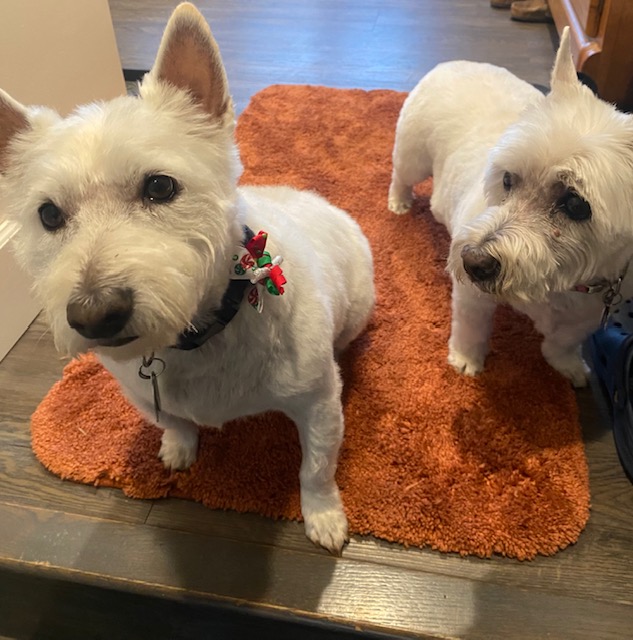
Some breeds of dogs are natural diggers, such as Terriers as they are ratters & instinctively go after rodents & vermin. Of course not all Terriers are diggers,the same as not all herding breeds herd, or hunting breeds, hunt. I have fostered a variety of dogs from 6 lbs to 120 lbs & luckily not a lot were diggers, but I had a 60 lb Border Collie/Lab/Husky? that in about 10 mins dug a huge hole in my yard & laid in it. Seeing how I had no idea of his past or anything about him, my guess was he was kept outside in the heat during the day & this was how he stayed cool.
After that I decided I needed to research to see if I could find some solutions for this issue as I didn’t want huge holes in my yard ever again. When I first put up my fence I was concerned I could have fosters that could try & dig out so every 8 inches or so I put a u shaped heavy duty metal stake into the chain-link fence bottom (18″ bent in half) & drove it into the ground. I luckily never had a dog even try to dig out & escape, I think for most of the rescue dogs were happy to be shown kindness, fed, given a dry clean place to sleep & cared for, & this was something they never had & they didn’t want to leave it.
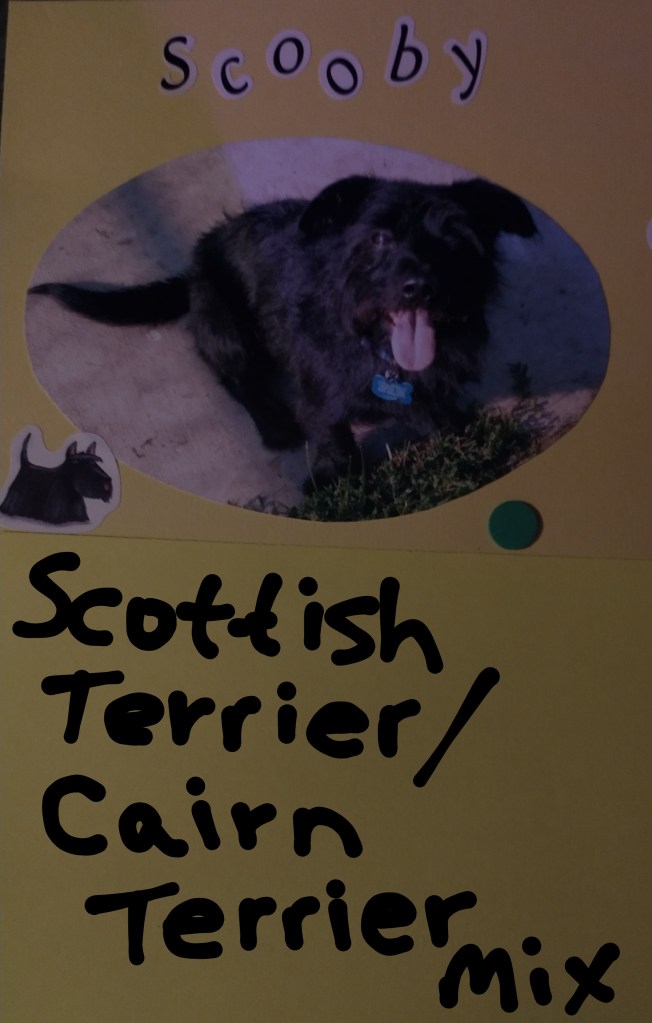
Some ideas to help with a dog that is digging in your yard.
- Give your dog a designated spot in the yard to dig, a corner away from your main area where you hang out.
- Don’t allow your dog to take bones outside where they may be tempted to bury them for later use.
- Monitor your dog when it is out in the yard & if you see them starting to dig then redirect them to do something else or take them to the area designated for them to dig in, or bring them back inside.
- If you don’t want your dog digging directly in your yard then get the dog a low plastic tote,baby pool or a sand box. You can fill it with sand which is less messy on paws then dirt, but still allows them to dig. The size of container will depend on the size of your dog.
- Don’t leave your dog unattended in your yard for extended periods of time. or they may dig to stay cool or out of boredom. Most dogs want to go out to do their business, smell around some, check the yard for critters & maybe if it’s nice weather, take a short nap in the sun, then come back inside with you.
- When your dog digs a hole in your yard, put them back in the house before you fill it in. If they see you fill it in some dogs may think you didn’t like them digging in that spot, so they will just pick a different spot next time. Before you fill the hole back in, drop a pile or two of your dogs poop in the hole. Be sure it isn’t more than 3/4″ from the top of the soil, you want the dog to be able to smell it. Dogs don’t want to dig in their poop, so this should deter them from digging there. It can be fertilizer for your ground as well.
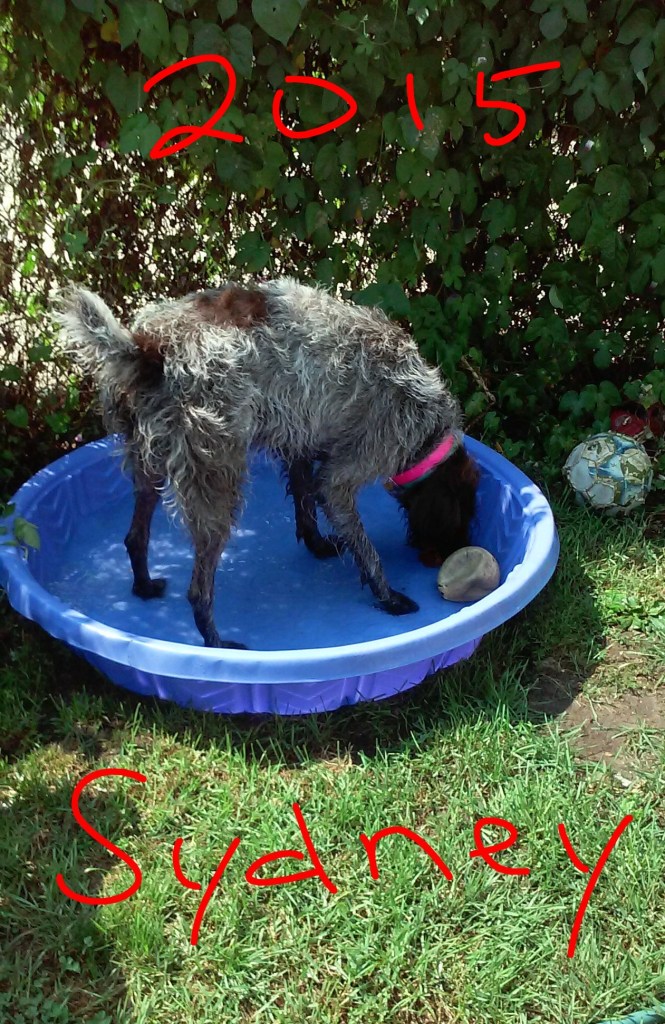
I had a covered turtle sand box on my patio for years when I fostered & if I had a dog that liked to dig I would teach them to only dig in the sandbox. This baby pool was used for water, which Sydney loved to dig in & kick the water out. She would run in & out of it & play. A baby pool can be used as a digging area, but you will need to cover it when there is a chance of rain, or put drain holes in the bottom & probably some on sides to drain any rain.
The way I trained the dogs to use the sandbox was when they were inside & out of sight I would bury little treasures in the sand box. What I buried depended on the dog’s likes, some it was toys & some it was treats. If it was treats I would only use things that were not moist so the sand didn’t stick to them. At first they were only partly buried so the dog could easily see or smell them. I would bury one or two a little deeper in the same area so when they found the first one a second or third was usually found. Remember: dogs repeat what they get rewarded for. I didn’t have to say a thing & they had no idea I put the treats there. It became the magic digging box. I did this each time I went outside without them & low & behold they soon learned that this was the best place to dig. This was the place where food or toys were found so they always went back to that area. You can use balls, squeaky toys, treats, but remember to use things that the sand easily comes off of. I also recommend the toys you hide are occasionally new toys or toys you put away for a week or two so it is a real find for them.
If your dog isn’t going to their digging area to dig, you may need to leave a trail of treats leading to the digging area/container & make sure the treats or items in the digging area are visible at first & something that smells to attract the dog. I recommend Stewards Dehydrated beef liver treats, these smell & I have never met a dog who didn’t like these.
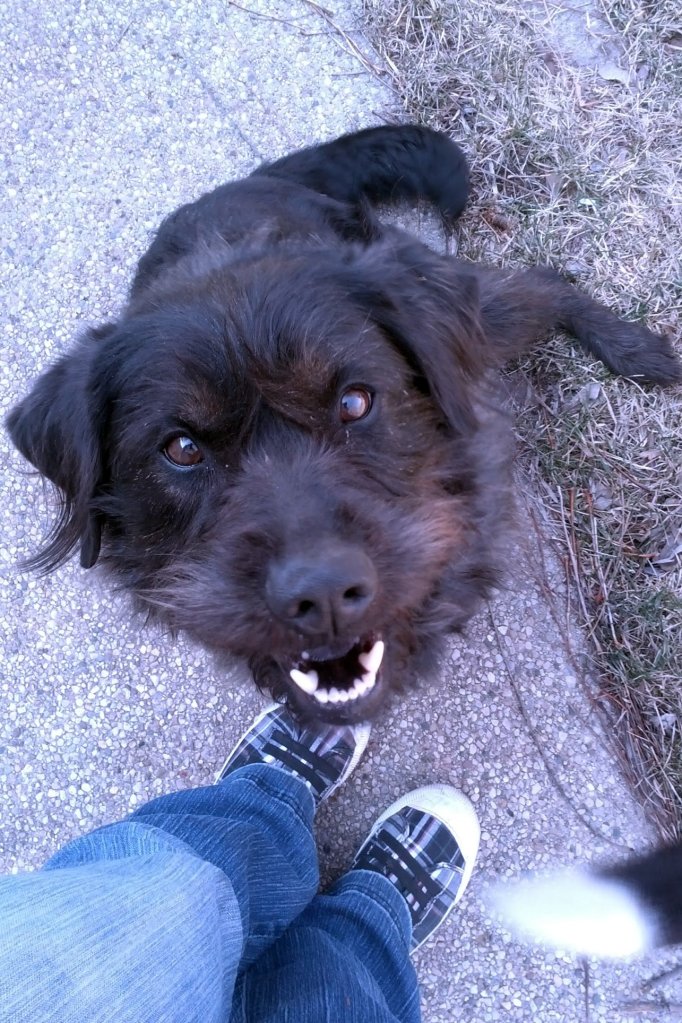
If using something edible, be sure it is eaten pretty quickly, you don’t want to bury bones or chews as they may not consume it right away & take it someplace else & try & bury it for later. You can use some of your dogs kibble if they really like it.
Remember it may be instinct for your dog to dig or they may do it out of boredom, frustration, or it was how they survived in the past, by hiding food or to keep cool. Don’t get made at your dog, give them an alternative place to dig. This is not a hard thing to teach & I think most dogs I used it with figured it out within 2-3 times of them finding things in the sand box. They then would automatically go there when they went outside & I didn’t have any issues with them digging elsewhere. I will be honest some would dig & toss sand onto the patio,so I would have to sweep it up, but it beat them digging holes in my yard.
I hope you are learning some tips & tricks from my posts, this is my 117th post to date, & on my main page you can find a Table of Contents for all the other 116 published posts (under the “show” tab). The goal of my blog is to educate & help pet owners so their pets will not just survive but thrive.
Please help me to get the word out there about my blog, as it can potentially impact a lot of pet lives for the better. You can help in some different ways: 1. Click the “Like” tab on the posts you read. 2. Subscribe to my blog so you never miss a new post(not spam, just an email notice when I publish a new post). 3. Share the link to my blog on your social media sites. 4. Email the link to a friend or family member who has pets. 5. Comment on what you liked or learned. 6. Visiting my blog often
Thank you for visiting my blog & hope you come back soon, Debbie
 Echoing Great Pet Care