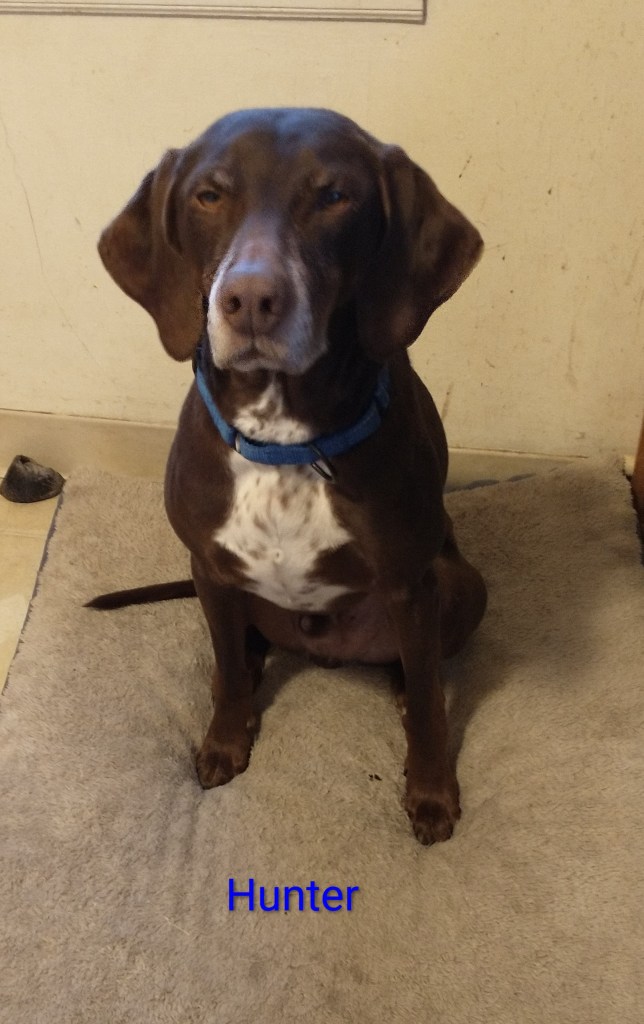
An Integrative Veterinarian is a Vet who combines the practices of Western & Eastern medicines. Still using some traditional methods & surgeries & treating pets with evidence based complementary therapies to treat the whole pet. This holistic approach focuses on individual care, targeting the root cause & improving the pet’s quality of life. My Vet still does rabies vaccines for my dogs, but she uses a Mercury free vaccine & recommends an herbal detox following the vaccine.
An Integrative Vet does an extensive consultation (not rushed) when they first meet a pet. They discuss history, nutrition & my current Vet muscle tested all the supplements, food & treats that my dog was getting. I honestly wish I had asked to voice record her, as she shared so much it was a bit overwhelming.
Integrative Vets are treating the root cause & not just masking a symptom with medication. An example there are commercials on TV that say if your dog is itching or excessively licking “ask your Vet for this or that type of medicine”. They aren’t treating the root cause, just masking it with medicine, which can have side effects which can be worse than the original problem. Some traditional Vets will tell you to feed the “prescription” diets they sell, but if you look into the ingredients & research you will find many have side effects that will destroy organs & are illegal to be put in foods consumed by humans. This is allowed because animals are property in the eyes of the law.
Integrative Vets use a variety of treatments often in combination with traditional medicines, sometimes even weaning an animal off of traditional medicine slowly once the pet is healthier.
Some alternative methods may include:
1. Acupuncture: which is where the Vet uses tiny needles in certain areas on the pets body depending on what they are treating the pet for. My dog Sam had acupuncture done for years to prevent seizures in combo with herbal remedies. This was not uncomfortable for him at all, he would often lay down when he could, but not always possible depending on where the points were put in. I saw an owner at the Vet’s office with a dog that had a point sticking out of the top of his head, & I asked why it was there. The owner said they adopted the dog & they were the dogs last hope, it was so hyper it had been returned 4-5 times. The dog was sitting still on the bench & they said that was not possible before the acupuncture treatment, (think they were on 5th treatment)
2. Nutrition: Make sure they are investigating what a pet is eating, looking at the ingredients that are in the food & recommend healthy options.
3. Liquid Herbal Remedies: Options for many different diseases & ailments.
4. Powdered Herbs: Special mixtures for a variety of issues. My dog Sam was on herbs for years, given 2 times a day with his food, along with acupuncture to prevent seizures.
5. Detox with homeopathic: usually in crystal form, put in the pocket of a dog’s mouth along the side of their molar area. Some dogs need detox from previous vaccines.
6. Essential oils: Certain ones are toxic or not good for animals, so don’t use them unless directed by an Integrative Vet.
7. Laser: Used for a variety of ailments. My dog Ace had it done for his hips.
8. Aqua therapy: Water tread mills used for muscles, hip & ailments. Ace did this as well, for his hips.
9. Chiropractic: Can be used for many ailments including seizures, muscle, & injuries.
10. Homeopathic remedies
11. Stem Cell Therapy
12. Reiki
13. Medical Massage
14. Muscle testing: This is done to test foods, treats & supplements to see if they are good for a pet. Most of the ones my dog Ace was on when I saw Dr Grant for the first time weren’t good for him. Not saying they wouldn’t have been good for other dogs, but not all things are good for every human body either.
15. Flower Essences: These are in liquid form & used for a variety of things (allergies, pain, fear, separation anxiety etc…) I have used some with success, but again not every pet gets the same results.
16. Aromatherapy: scents to calm, lift spirits etc…
17. Titer testing versus vaccines: Tests to show if an animal has antibodies for the particular disease.
18. Mercury free rabies vaccines: Mercury is a carcinogen (capable of causing cancer in tissues).
19. Don’t push you to over vaccinate & explain the dangers of it & preventative medicines that treat multiple things at once (such as some flea/tick/heart-worm medications), these are full of way more toxic chemicals than a pet should have at one time.
As you can see there are quite a lot of natural things that can be used to treat, enhance & help pets that don’t have the side effects as many traditional medicine alone can. I covered most of the most popular alternative options an Integrative Vet can use, but there are probably others as things are constantly advancing & safer alternatives are out there for animals that use to be just for humans.
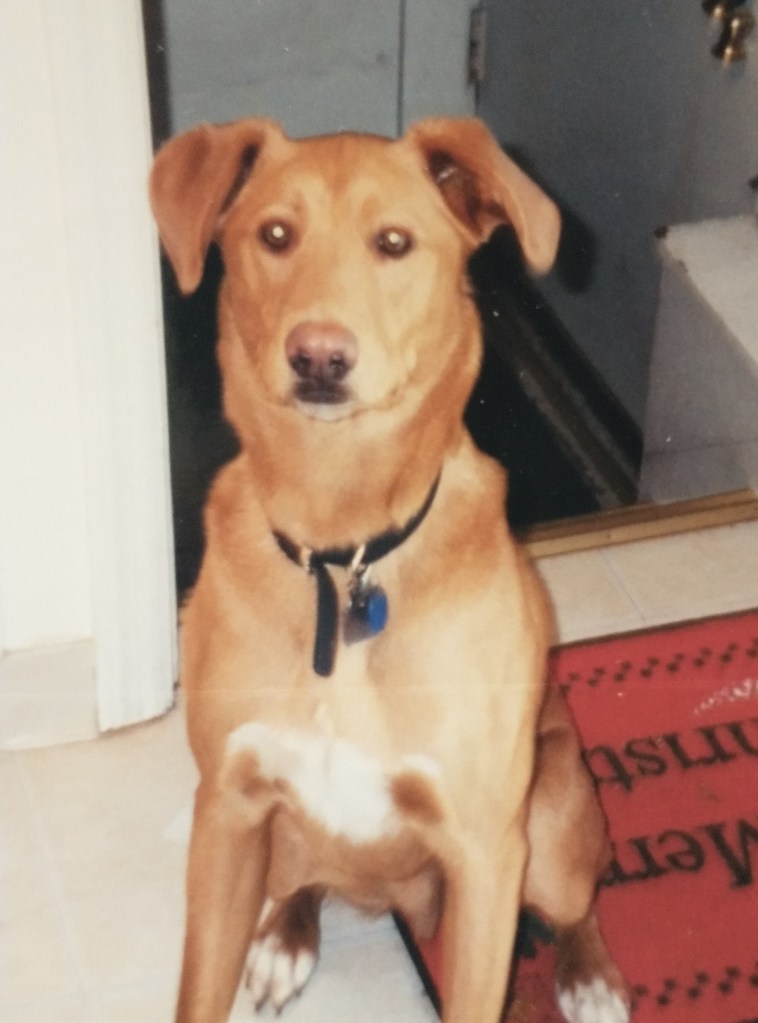
I started to see an Integrative Vet when my 1st dog Sam (pictured above) had seizures & the medicine had horrible side effects for him. He would fall & he would run into walls, I had to block off the stairs & monitor him closely. He was only 2-3 years old, plus he was still having seizures on the anti-seizure medicine. I started to research alternatives as this was not a good quality of life, he was an active dog who enjoyed fetch, hiking, playing & life. Sam saw an Integrative Vet who tried Chiropractic, he said he was too sensitive of a dog for acupuncture (don’t ask me what that meant). When the chiropractic didn’t work he told me to go back to my regular Vet & put him back on medicine. I knew there had to be someone else who could help him. He had a huge amount of seizures in 24 hours, more than 24 & ended up at an ER Vet after closing hours at my Vet. The Vet at the ER clinic was an Integrative Vet & she was contacted after hours to consult. Dr Adams was the Vet who started Acupuncture & herbal treatment for him. Sam had some break through seizures, but he was dock diving, playing fetch, hiking, camping with me & even went about 3 years seizure free. I saw a number of Integrative Vets with him, & honestly don’t think I have seen a traditional Vet since about 2005 when Dr. Adams first saw him. My Golden Retriever mix Ace lived to be 17 years & 8 months old & I contribute that to being treated naturally most of his life. My Vet doesn’t ask me about doing vaccines, except rabies as it is required by law, but she always does a 3 year (by the way same dose as a 1 year vaccine, just labeled differently).
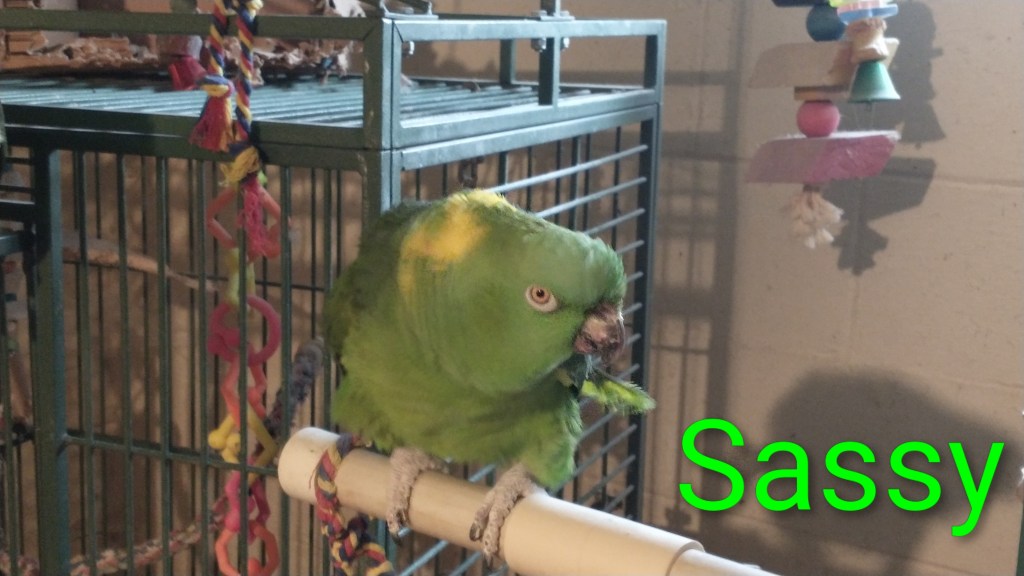
I am blessed that she also sees birds, I feel I am doing what I can to help my pets live as long & healthy a life as I can. I believe that is our responsibility as pet owners. I hope this information has enlightened you some & made you think about the Vet care your pets receive. I didn’t expect it to be this long, didn’t realize when I chose this topic today that I would have so much to tell you.
If you are learning & enjoying my blog please subscribe so you never miss a post. Comment about something you learned or if you have a question. Click the Like button at the bottom of the posts. Share my blog link with friends, family or on your social media sites. Visit often & check out my other 121 posts, the table of contents can be found on my home page under the show tab in the upper left corner, then go back to home page & scroll down to find the posts you want to read. My goal is to reach as many people as I can, because I find so many people just don’t know some of this stuff & I want to get the word out. I want to see pets not just survive but thrive & live longer lives. If you have a question & want to reach out to be directly you can email me at echoinggreatpetcare@gmail.com Thank you for visiting & helping me to spread the word about my pet care blog. Debbie
 Echoing Great Pet Care