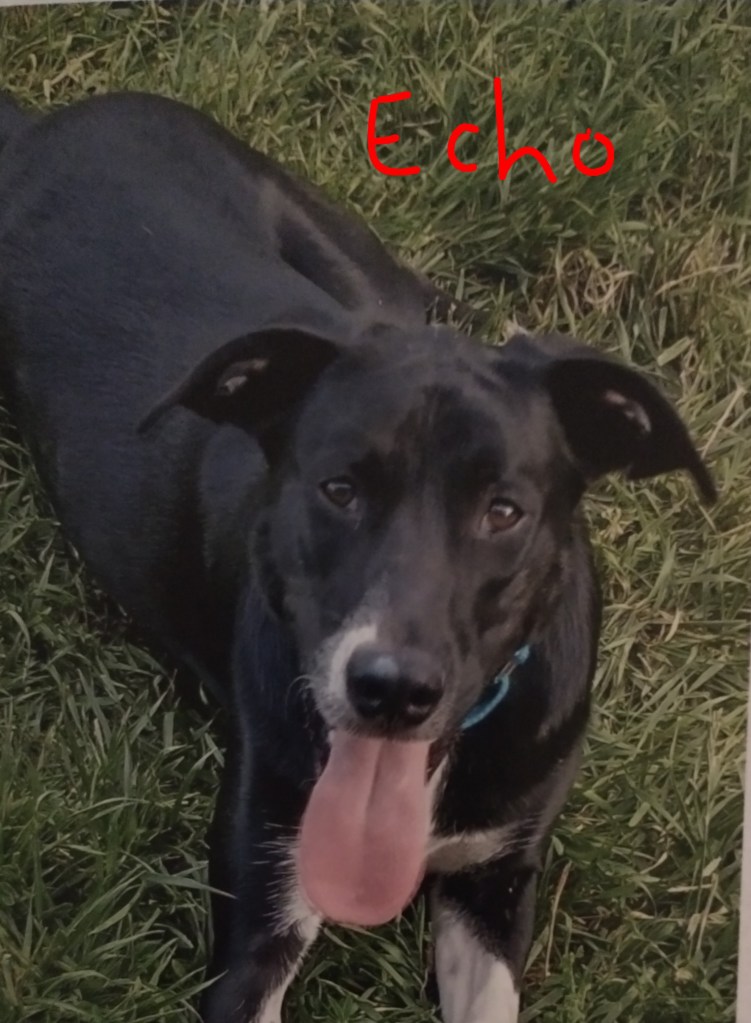
I decided to blog about this topic because my dog Echo had been scooting on his behind & licking his anus. Echo has good formed stools & eats a grain-free diet with some foods added in from time to time. Almost a year ago he had to see the Veterinarian because he was obviously not comfortable because he scooted a few times & would lick & lick. She said once sac was pretty full & after some discussion about any changes in his diet I decided to have her go ahead & express his glands. I had concerns as I knew manual expression can lead to issues, she said this may be the only time they ever need to do it.
A dogs anal glands are 2 small scent sacs located at 4:00 & 8:00 just inside their rectum. Naturally secret a foul fishy liquid to mark their territory.
If the glands fail to express themselves naturally during bowel movements, they can become impacted or infected.
Some signs of this can be:
1. Scooting their behind on grass or floors.
2. Excessive licking or chewing the anus area.
3. Foul odor
4. Swelling, redness & visual inflammation near the anus.
Some causes:
- Soft stools which don’t put pressure on the sacs & cause them to express.
- Anatomy causing narrow ducts.
- Allergies can cause inflammation & blackage
- Obesity: don’t allow the muscles to squeeze glands properly.
Manual expression risks:
Some groomers automatically express dogs anal glands as part of a bath. (If your dog’s groomer hasn’t been doing this then ask them not to this, if they have been you may not have a choice now). A groomer does external expression of glands where a Veterinarian does internal & external expression of glands.
- Chronic inflammation
- Muscle atrophy: overtime & routine squeezing
- Weakens the natural tissues causing the glands to lose their ability to empty naturally leading to dependency of manual expression.
- Manual expression should not be uncomfortable if done correctly, but impacted or infected glands hurt.
- Chronic impaction may need to be expressed every 3-6 weeks.
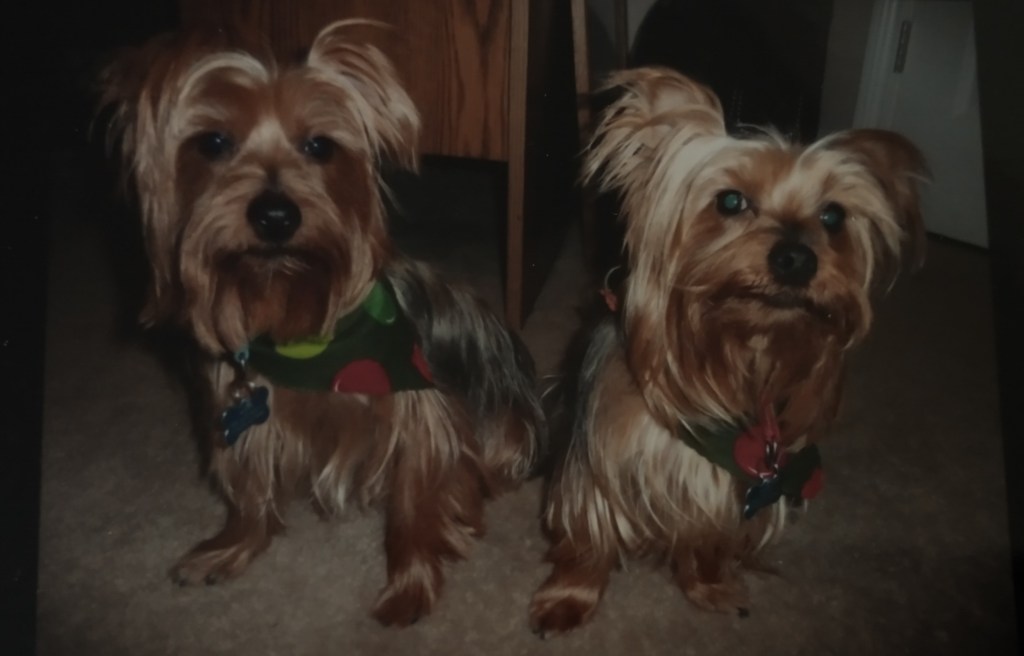
Some breeds are more at risk of not being able to empty their glands naturally & I found most are small dogs & many appear to be dogs that get groomed. The breeds are Chihuahuas, Shih Tzus, Toy Poodles, Bichon Friese, Lhasa Apso, Cavalier King Charles.
Some help for anal glands issues:
- Probitocs: some dogs this helps in their digestive tract if this is the issue
- Add Psyllium Husk to meals
- Add 1/3 piece of a whole carrot (50 lb dog) chopped or shredded depending on how your dog will eat it
- Add 1 tablespoon of canned pure pumpkin to meals
- Increase your dogs exercise
- Maintain your dog at a healthy weight.
- Add Sweet potatoes to your dogs diet (slightly boiled or baked) no seasoning or butter/oil.
- Feed a higher quality food (costs more but saves on Vet bills).
- Talk to your Integrative or holistic Vet about homeopathic methods (there are a number of options out there).
- If anus area is sore you can rub organic coconut to the area to soothe the irritation & it has antifungal & antibacterial properties.
It has been only about a week but I started Echo on canned pumpkin & raw carrot & I have not seen him scoot or lick his anus excessively. I will continue to monitor him & when the pumpkin is gone I am going to try carrot only. I researched & found that carrots have more fiber than pumpkin. I have tried Organic psyllium husk but didn’t have success with Echo. Every dog is different & I think Echo just needs a little more fiber & I don’t want to feed grains so I am going to try carrots & pumpkin. I always recommend dog owners keep pure canned in the house as it is good if a dog gets diarrhea.
I hope you have found this interesting. If you have questions feel free to comment or email me at echoinggreatpetcare@gmail.com Please help me to get the word out about my blog & you can do this a number of ways. Click the like button at the end of each post. Subscribe to my blog & receive notices when I post (usually every Monday), comment about my posts. Share the link with other pet owners via social media or email. Visit my site often My goal is to reach as many pet owners as I can & use my 20+ years fostering pets & a lifetime of living with them to educate & help more pets to thrive & not just survive. I have 141 other posts on this blog & you can find the table of content on my home page under the show tab & then go back to the home page & scroll down to the posts you want to read. I write about a variety of pets & topics & always open to suggestions for topics to write about. Thanks for reading, & helping me to get the word out about my blog, Debbie
 Echoing Great Pet Care