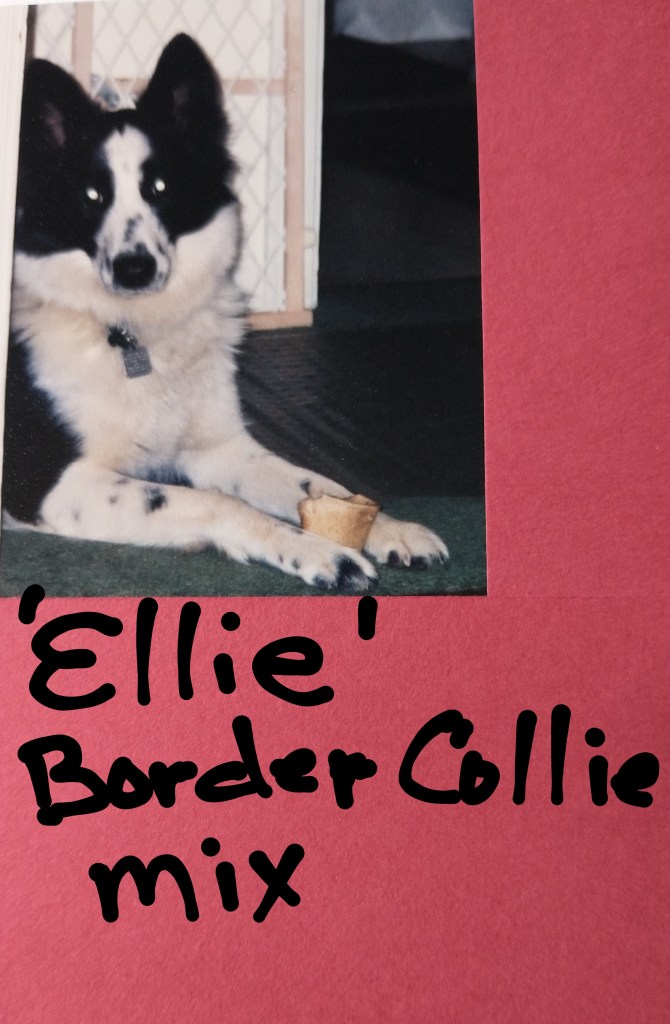
For me whether a dog is 10 lbs or 100 lbs I don’t like it when a dog jumps on me. I have a rule when I meet dogs that I call “4 on the floor.” Which means if all for paws are not on the ground I ignore them. Now a 10 lb dog can’t really hurt anyone if it jumps on you, but if it stepped in mud or dodo that can get on your clothes, that isn’t good. A 100 lb dog could knock someone over & they could get injured & sadly they could sue you or you could have to make a claim with your insurance company. That could lead to increased rates, being dropped or a mark against your dog.
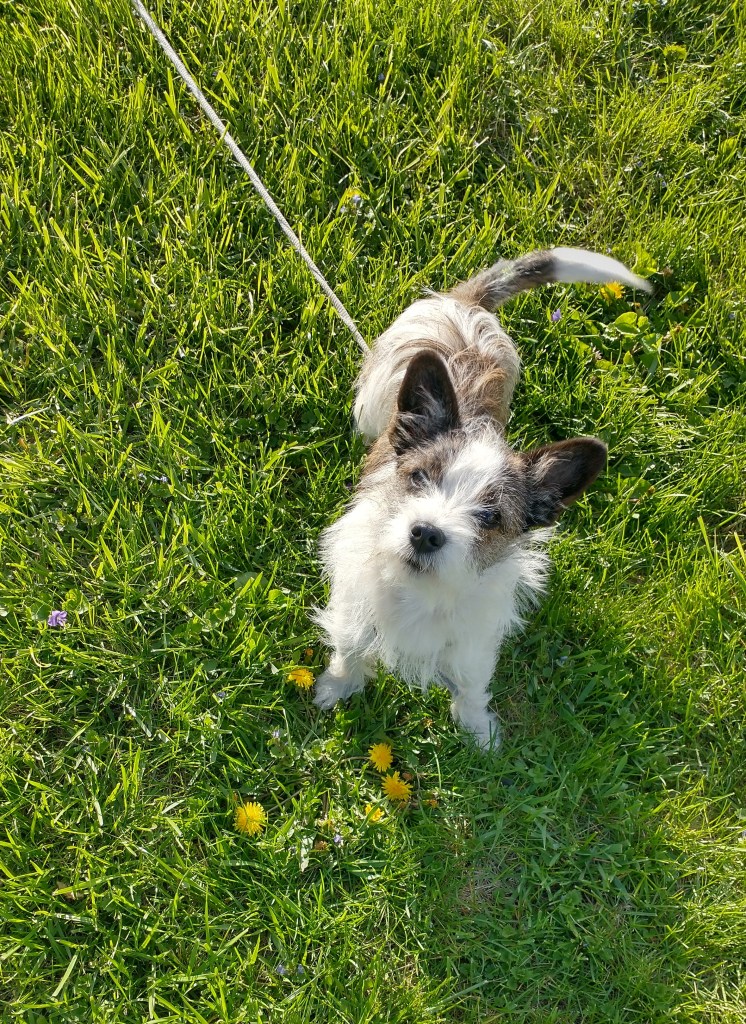
It is easier to teach a puppy the rules before a bad habit starts & nip it in the bud, but I have taught this to many adult dogs. I fostered about 100+ dogs & most were over a year old. So the old saying that you can’t teach an old dog new tricks is totally wrong. An adult dog that has had more time to practice bad behaviors can take longer to change the habits, but it can be done.
The four on the floor rule, needs to be followed by all those in your house & all your visitors. Years ago I had a friend who when she came over she asked where my dogs were. I told her they are in another part of the house because she allows my dogs to do things I am not ok with & I don’t want them to practice that behavior. She never did it again & my dogs were allowed around her again.
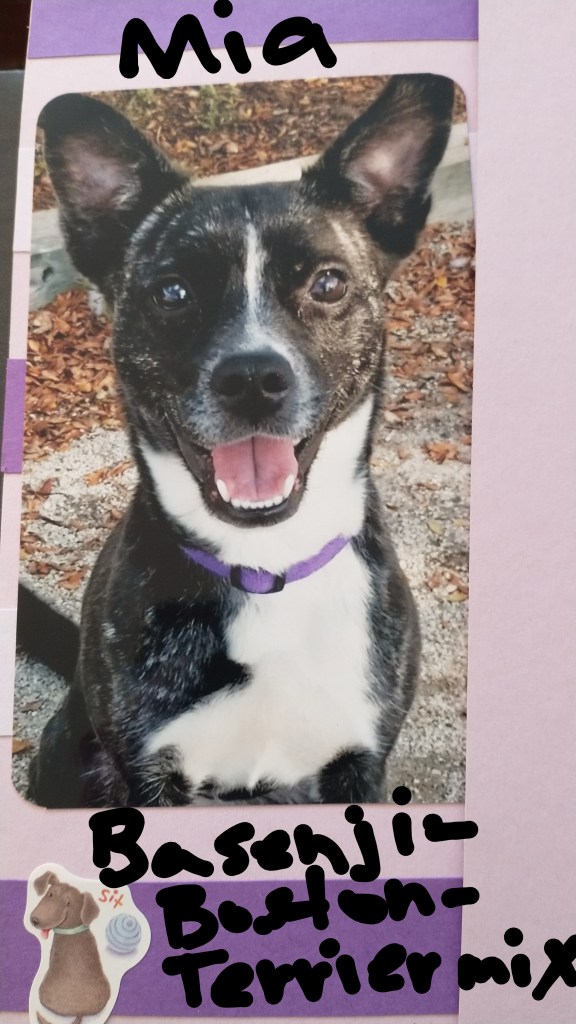
The first thing you need to understand is dogs repeat what they get rewarded for. Well actually so do we, we go to work because we get a paycheck. We may drive by a certain area because the view is pleasing to look at. Kids do their chores to get an allowance. I’m sure you can think of other things. Dogs jump up because most often they get the reward by you touching them or they get the reward of your attention. Example: A kid throws a temper tantrum & you cuddle them, they will do it again, but if you step over them & ignore them, they will realize it didn’t work & not likely to repeat. Some people have been taught to put their knee up & knee a dog in the chest when it jumps on you, well guess what you just touched the dog which is rewarding to them.
When teaching a dog something knew they need to understand what you want & what will get them a reward, which can be a treat, petted or playtime with you. Keep training sessions fun, positive & rewarding, all of us learn easier if not afraid of being hurt or yelled at. This rule works for many things: Reward the behavior you want, ignore the behavior you don’t want.
There are different things you can do to teach your dog not to jump up & put their paws on people. Some things work better with some dogs & some with others. I will give you some ideas, none will be corrections, as I don’t agree with that type of training methods. I did a series on understanding a variety of dog training methods, they were posts #’s 97, 99,100,101.
- If you anticipate your dog is going to jump up on you: step back or take a big step to one side or the other, so your dog won’t land his paws on you.
- Some dogs respond well to you putting your arms up in the air like a Y (think of the dance to the song YMCA).
- Some dogs do well if you can completely turn around or turn your side to them & they won’t jump up on you.
- If you need to put your dog on a leash when guest are coming over, do so. Do not allow your guests to interact in any way with your dog until he is calm. We want the dog to practice 4 on the floor till it is a habit. New habits can take weeks to months to learn depending on how long they have practiced the unwanted habit & how often you practice the wanted behavior. Be patient & know they have to relearn something that you are someone else has taught them, (meaning jumping up gets me attention & now it is wrong???)
- If petting your dog gets it more excited then use some small treats & either feed directly to the dog or drop them on the ground. A few tiny pieces dropped will give your dog something else to do & not be so excited about your guests. It gives them time to calm down & be ready to greet calmly. I actually do this when guests come over, I toss treats ( I use kibble)& they seek out the food & then they are calmer to greet my guests appropriately.
- You can toss a few treats on the ground before your dog has the opportunity to try & jump on you or your guests. Sniffing is a calming thing for dogs & if they get treats also it is a double reward. We are reshaping behavior & giving the dog something else to do.
- Teach your dog a reliable sit or lay. I think lay is harder for a very excited dog. Either can be hard for a nervous dog as flight mode is harder from these positions. When flight mode is taken away some dogs look to fight mode. It is a reason I never ask my dogs to sit or lay when they are nervous, like at the Veterinarian’s office as an example.
- If your dog is more apt to jump on people inside your home then practice meeting people on your porch or outside (on leash if not in a secure area), or vice versa.
- Some dogs are less apt to jump when on a leash, if so try greeting people with your dog on leash.
- Ask people to ignore your dog until they are calm & 4 on the floor. If your dog starts to jump then have them immediately stop what they are doing step away, ignore the dog & do whichever method above that worked for your dog.
- If you have a dog that plays fetch, be ready before they can jump with a ball or toy to throw & switch their brain from jumping to fetching.
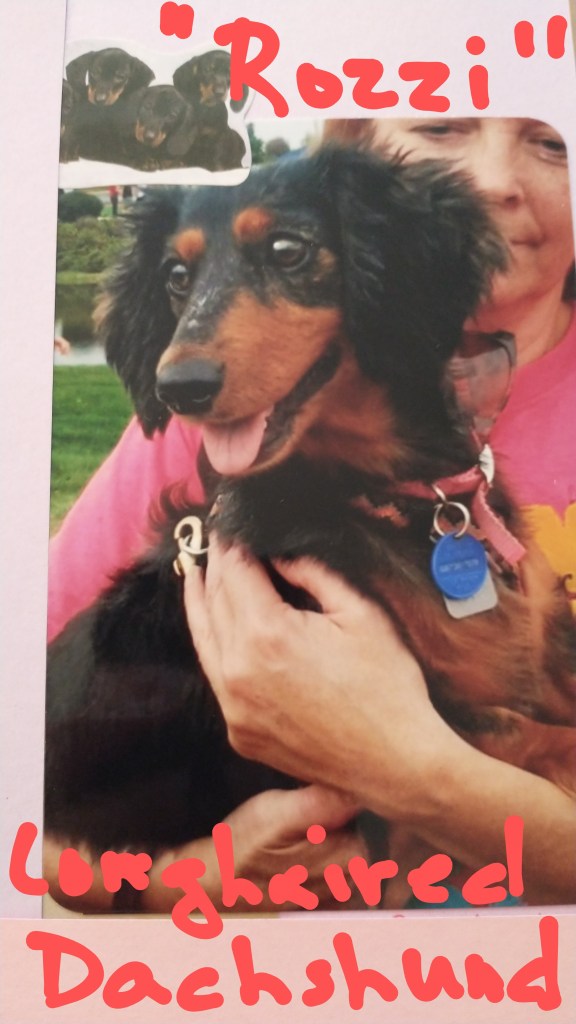
Pay close attention to your dog & start to figure out its jumping triggers, so then you can anticipate & not allow your dog to practice jumping on people. Please keep it positive & remember your dog may have been practicing this for 2 years, 5 years ect… so it takes time to learn a new thing, & yes there will probably be times when they forget. My dogs have learned not to jump on people,but if they are overly excited or stimulated they have done it. It’s not often, so I don’t make a big deal about it, just ask them to settle down or do something like sit.
I hope this post has given you some helpful hints to help whether it is your dog with this issue or a friend or family member’s dog that you interact with. If you’re finding my blog interesting, educational, or enjoyable I would really appreciate it if you would help me get the word out there about my blog. The more people that like my posts, subscribe, comment, visit my blog site often, share links on social media or email it the more it helps my blog to be seen by more people(something to do with algorithms). It moves me up on search engines & my goal is to share pet tips with as many people as many places as I can. I don’t profit financially from this blog, I am passionate about pets & want to see more thrive & not just survive. I have 142 other posts on this blog about a variety of pets & topics, you can find the table of content on my home page under the show tab. Then you can go back to my home page & scroll down to read the posts that interest you. If you have a question or a topic you would like me to consider writing about you can email me at echinggreatpetcare@gmail.com Thanks to all my subscribers & regular visitors, I appreciate each of you, Debbie

