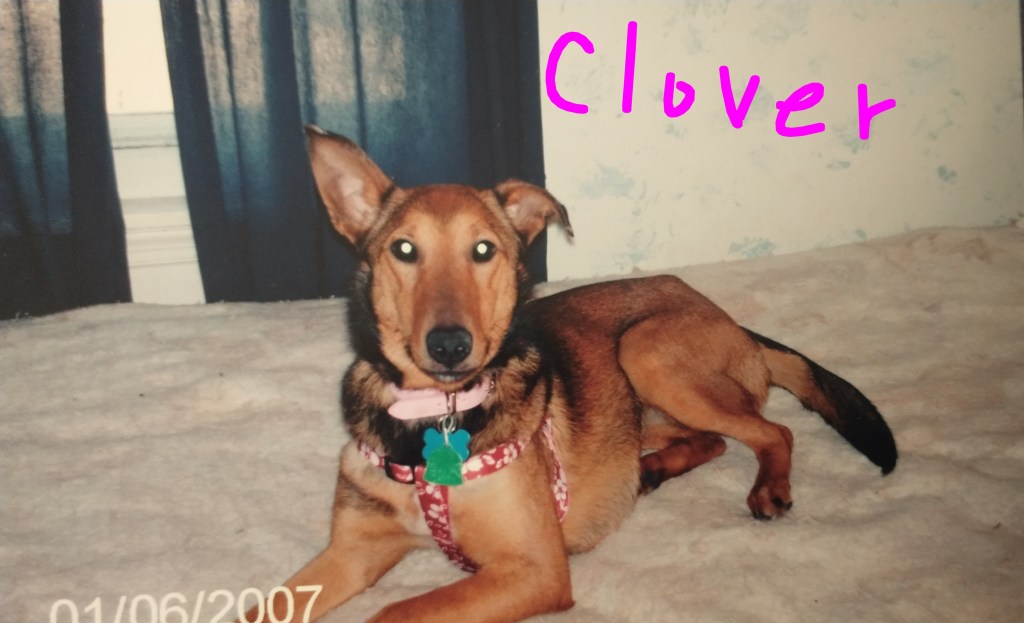
My first dog that was fully my responsibility (in 2002) ended up having seizures & I will write about my experience with him in part 2. I wanted to start with some basic info & then give some more information before I share my story in more detail. I hope you never have to see your dog or anyone you love experience a seizure.
Seizures can be focal or grand mall, not sure those are the terms anymore, but I think most of us can understand these terms. The exact cause is usually unknown, but there are thoughts about possible causes which can include: Brain tumors, inflammation (encephalitis) or head trauma (in an animal’s case could be from abuse) or organ dysfunction (liver disease, kidney failure or diabetes/low blood sugar). Some of these could also be the cause for humans as well. I had a cousin who suffered head injury after vehicle accident & it triggered seizures. My youngest brother had seizures (he passed from one in 2020) as an adult. It might have been caused by something in his brain, from birth or later we don’t know.
Focal or mini seizures can be characterized by staring, minor twitching, not responding & seeming zoned out. Grand Mall seizures on the other hand can be characterized by convulsions that can be quite severe.

Some of the possible triggers can be, these typically would be triggers in a pet that has had a seizure at least once:
- Missing medication (anti-convulsion meds)
- High stress
- Flashing or strobing lights
- Illness w/fever
- Dietary factors (skipping meals, fasting, severe dehydration)
- Toxins: chemicals used in home or on lawn/garden, insecticides
- Chocolate
- Xylitol (natural sweetener)
- Fireworks/thunderstorms
- Intense excitement
- Travel
- Heat Exhaustion
There is at least one newer medication prescribed for dogs out there, but I have no personal knowledge of it, so I can’t really speak about it. I recommend you talk to your Veterinarian about all medication options if your Vet thinks it is time to start an anti-convulsion medication. Most Vets won’t start if only one seizure or if seizures are far far apart & not consistent & not lasting more than a few moments. All medication can have side effects, will probably need for life & regular blood-work performed up to several times a year to monitor the medication level in the pet.
Some treatments I am familiar with are:
- Phenobarbital: Will need to perform periodic blood-work to monitor liver & the drug level in the system.
2. Potassium Bromide: Can take several months to reach stable levels. Avoid this drug in there is a previous history of Pancreatitis.
3. Chiropractic treatments: A natural alternative
4. Acupuncture & Herbal treatments: A natural alternative

If your pet has a seizure, notify your Veterinarian & give them as much detail as you can: where, when, symptoms your pet displayed, how long it lasted. Sometimes they will want to have you bring in the pet to check them.
If EVER a seizure last 3-5 minutes, get your pet to the nearest ER Vet or your Vet if open. Do not wait to see if it will end. The dogs internal temperature is rising as the seizure continues & can lead to brain damage or death. A dogs normal temperature is 101.0-102.5, but ask your Vet next time your dog is in what his/her temp has been the last 3-4 times you have had them in. Like in humans the normal temp can vary a little, personally I run 97.3-97.6 (average is 98.6). For a dog 103.0 is a fever & 106 is EMERGENCY/Life threatening. I have a thermometer in my dogs first aid kit, their temp is taken rectally, so if unsure how ask at your Vets, so you will know how to do it if needed. It really isn’t hard to do & basically only goes in one way.
If your dog starts to have seizures I highly recommend you keep a log. At the moment it might be hard to write it all down, but look at the clock when you see it starting & as soon as possible write it down where you can, even if on your hand for now. It is hard to remember all the detail in emergency mode, but do the best you can. Details help ER Vets to know exactly what to do.
The details you want to document are:
- The date
- The time the seizure started
- The time the seizure ended
- What you observed during the seizure (foaming of mouth, twitching, convulsions, staring,emptying of bladder, drooling etc…)
- How long it takes your dog to recover afterwards.
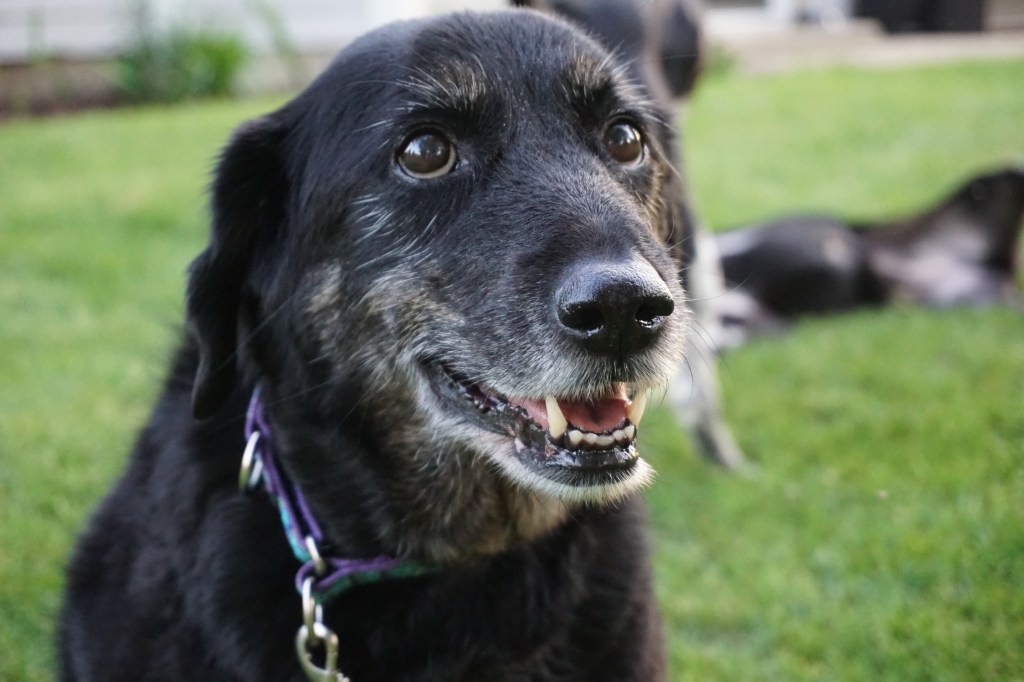
When an animal has a seizure:
- If safe move it to a safe spot, if not able to move them move items near your pet so they don’t risk injury.
- Stay calm, some animals can sense your anxiety even in their situation.
- Seek Vet care if seizure lasts more than 3-5 mins or multiple seizures in 24 hours, or doesn’t regain consciousness.
- Keep the areas lights dim & quiet.
- Do not restrain the pet.
- Never give Tylenol or Advil (toxic).
- Know that even the sweetest animal can bite when having a seizure so keep away from its mouth.
- You can help cool the dogs by wetting wash clothes in cold water & putting them on the pads of it’s feet & cooling the tips of ears if it is safe to do so.
Again, I hope you never have to experience your beloved pet having a seizure, but I have met many people who have, several times it was at the end of the pets life, just before they crossed the rainbow bridge. I will share my almost 11 yr experience with my beloved dog Sam who was prone to seizures.
If you are learning and/or enjoying my blog please help me to get the word out to others. You can help by liking my posts, sharing my blog link with friends & family, leaving a nice comment, visiting often &/or subscribing to my blog. These things all help with algorithms & help more people to find my blog. My goal is to share my experiences & knowledge with as many pet owners as I can & help more pets to thrive & not just survive. If you have an idea for a post please feel free to email me at echoinggreatpetcare@gmail.com I have 143 other posts on this blog & you can find the table of content on my home page under the show tab, then go back to home page & scroll down till you find the posts you want to read. I blog about a variety of pets & subjects, so please check out my other posts. Thank you, Debbie
 Echoing Great Pet Care